 Skip to content
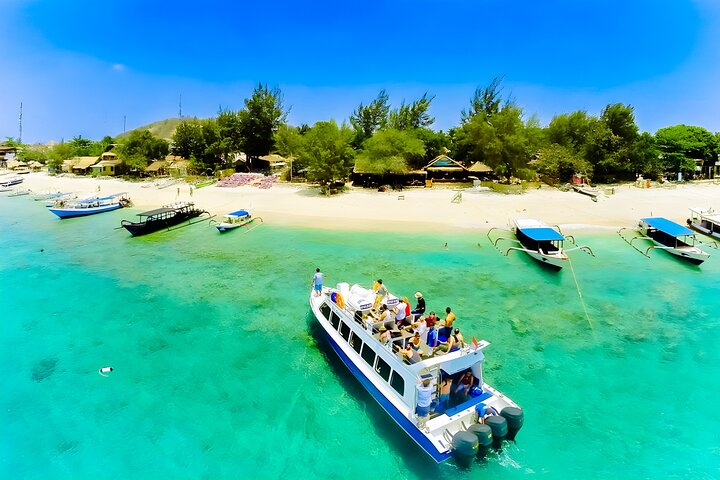
Bali looks dreamy from a scooter seat. But it feels completely different from the water. Travelling by boat in Bali turns the island into a launchpad for cliff-ringed islets, snorkel bays, and sunset crossings where the sea air smells faintly salty and warm.
Table of Contents
- Why Travel by Boat in Bali
- Popular Boat Routes from Bali
- Safety Tips for Bali Boat Travel
- Choosing the Right Operator
- What to Pack and Prepare
- Best Times and Seasonal Considerations
- Family‑Friendly Boat Travel Advice
- Comparing Ferries vs Fast Boats
- After You Arrive: Things to Do on the Islands
- Conclusion
- Sources
Also, boat travel here isn’t only about hopping to the Gilis. It can be a practical way to reach Nusa Penida for the day, move between Bali ports efficiently, or even connect onward to Lombok by ferry. Plus, when you plan it well, it’s a safe, straightforward part of your trip—one that adds adventure without chaos.
This guide covers the most popular routes, how to choose operators, what to pack, seasonal timing, and family-friendly strategies. And throughout, the focus stays on smart choices: comfort, value, and safety—so your Bali boat travel feels easy from check-in to arrival.
Why Travel by Boat in Bali
Boat travel in Bali works because the island sits in the middle of a seriously tempting neighborhood. To the southeast, Nusa Lembongan and Nusa Penida offer bright reefs, limestone cliffs, and a slower vibe than the mainland. To the east, Lombok and the Gili Islands deliver beach time with a different rhythm. And in between, the crossings can be part of the fun.
Also, the views are a highlight on their own. On a clear morning, Mount Agung can look close enough to touch, rising above soft cloud layers like a giant backdrop. Later in the day, the water turns darker blue, and the light gets buttery near the horizon.
Now, there’s a practical side too. Fast boats can save time versus overland detours and long vehicle transfers. That’s why travelling by boat Bali-style often becomes the “glue” that makes multi-island itineraries work.
Still, it helps to know what “boat” means here. You’ll mainly choose between:
- Fast boats (speedboats/catamarans) for quick passenger routes
- Public vehicle ferries for slower crossings that can carry cars and scooters
- Private charters for flexible timing, usually at a higher price
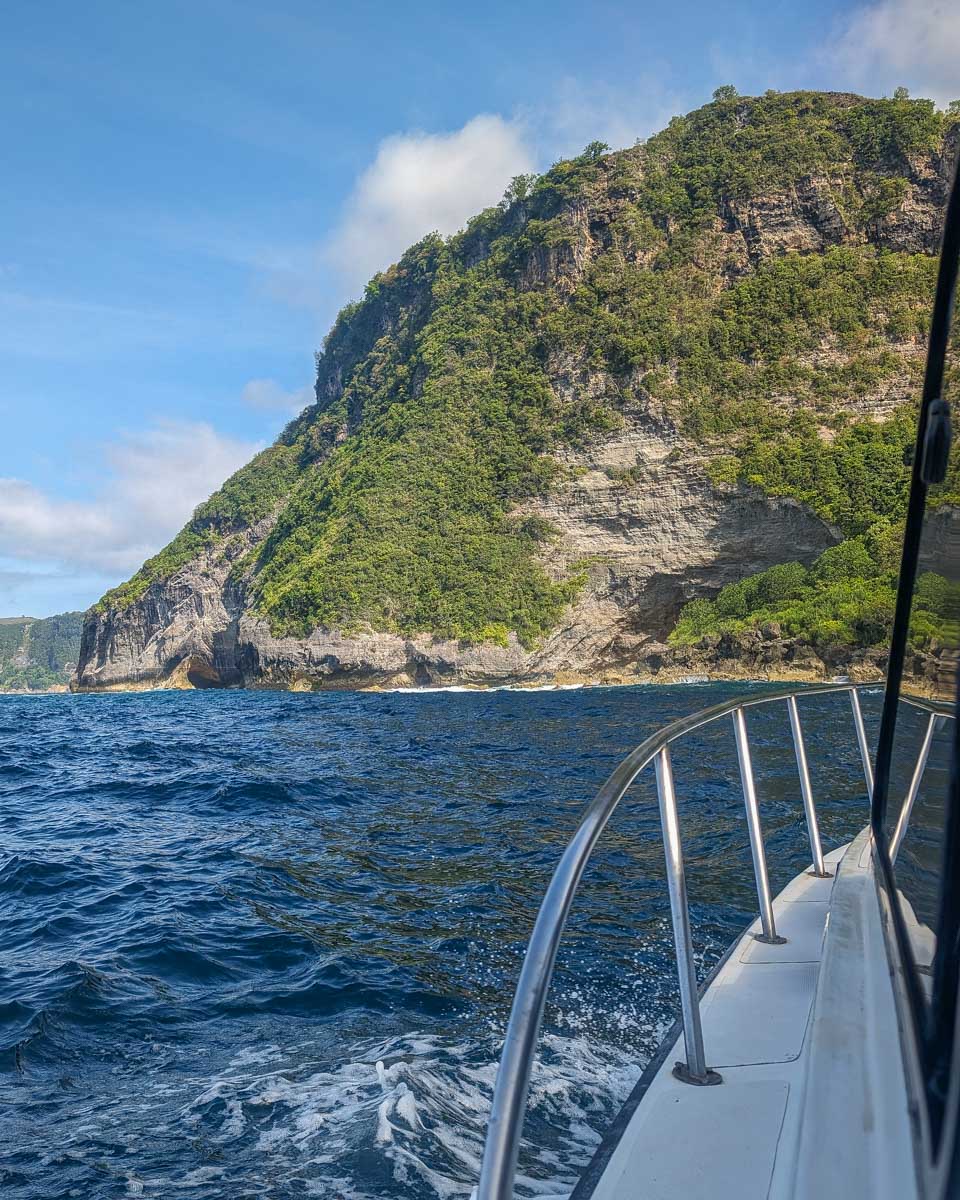
And because boats vary a lot in comfort and safety culture, choosing well matters. With the right operator, though, your crossing can feel like a smooth mini-journey—wind in your hair, dry bag at your feet, and that first glimpse of island cliffs getting closer.
Popular Boat Routes from Bali
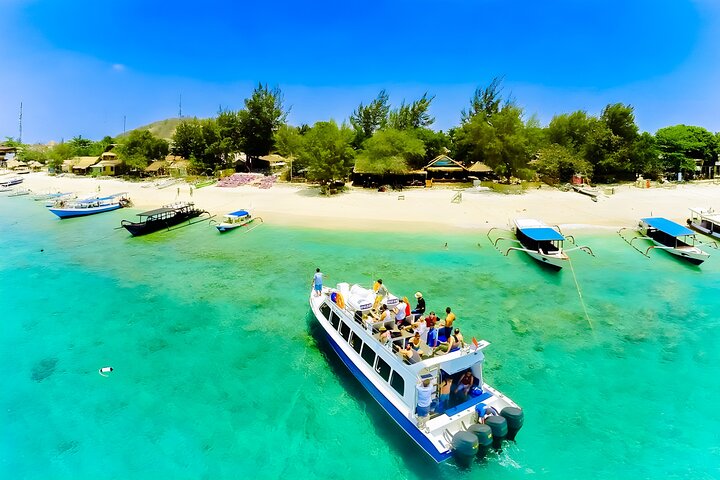
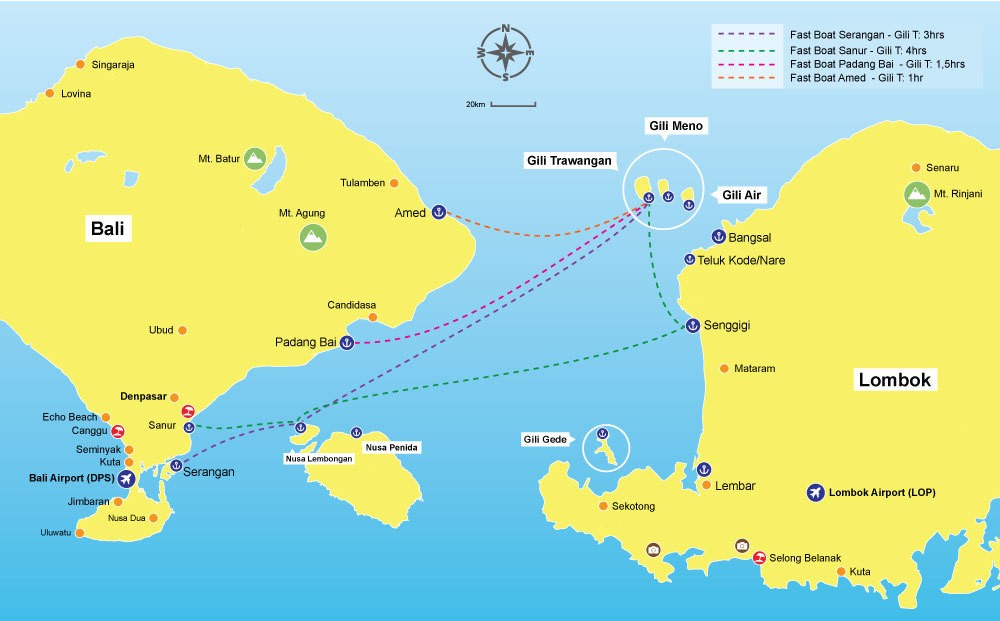
Bali’s boat network revolves around a handful of departure points. In fact, fast boats commonly leave from Sanur, Padangbai, Serangan, and Amed for routes to Nusa islands, the Gilis, and Lombok (The Honeycombers).
Bali to Nusa Penida / Nusa Lembongan
This is the easiest win for travelling by boat Bali visitors love. Sanur is the classic departure area, and it’s close to major south-Bali hubs. Plus, the sea time is short enough that many travelers handle it well, even if they get mildly seasick.
Also, this route is perfect for:
- Day trips (snorkeling, viewpoints, beach clubs)
- One- or two-night stays (sunrise hikes, quieter evenings)
- Divers who want quick access to reefs
Still, at some landings you may step into shallow water; Sanur’s newer harbor uses piers for boarding, which reduces wet‑foot moments. Sandals and a dry bag still feel like superpowers here.
Bali to the Gili Islands
The fast-boat run to Gili Trawangan, Gili Air, and sometimes Gili Meno is the headline act. It’s popular because it skips the “Bali–Lombok–Gili” shuffle and gets you straight to island life.
But, the open-water sections can be bouncy. That doesn’t mean it’s unsafe—just that comfort depends on weather, seating, and the boat’s build. So, choosing a reputable operator and traveling earlier in the day can help.
Also, plan your logistics around your Bali location. Padangbai can be a better starting point than Sanur if you’re already in East Bali, because it reduces road time.
Bali to Lombok
Lombok is close, but the transport style changes the experience. Fast boats offer direct passenger routes to certain Lombok areas, while vehicle ferries handle cars and freight.
And if you’re bringing a scooter or traveling with lots of gear, the ferry becomes the practical choice. That’s why the next sections compare ferries vs fast boats in detail.
Safety Tips for Bali Boat Travel
Bali boat travel can be safe and smooth, especially with the right habits. The biggest safety advantage comes from doing a few simple checks that take minutes, not hours.
Check weather and sea conditions
First, take the sea seriously. Conditions can change quickly, and rough water can turn an easy crossing into a tiring one.
Also, aim for morning departures when possible. Seas often feel calmer earlier, and delays are easier to manage during daylight.
Then, watch for red flags:
- Operators pushing departures during obvious storms
- No clear safety briefing
- Overcrowded boarding areas with rushed loading
Inspect safety equipment and basic standards
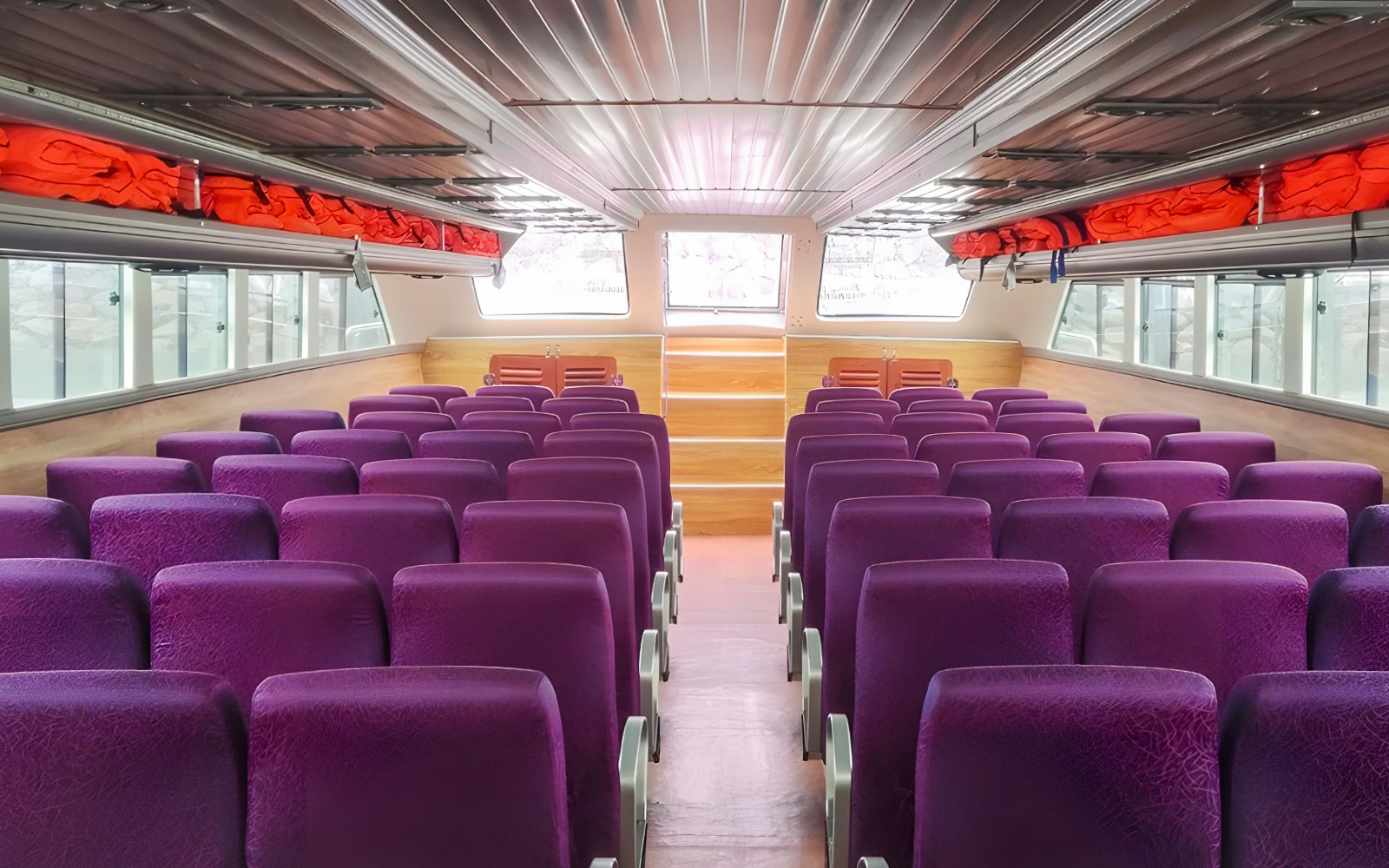
Next, look around before you settle in. Life jackets should be visible, not buried. Crew should look organized, not panicked. And the boarding process should feel controlled.
Plus, pick companies that communicate clearly about schedules, meeting points, and baggage rules. Clear communication usually reflects better operations overall.
Manage seasickness like a pro
Even confident travelers can feel queasy on faster crossings. So, treat seasickness as a packing issue, not a personality flaw.
Also, try these strategies:
- Sit mid-boat where motion is usually less intense
- Keep eyes on the horizon, not your phone
- Eat light (crackers, bananas) and skip heavy fried meals
- Bring medication you trust, and take it early
And if you’re nervous, shorter routes (like to Nusa Lembongan) can build confidence before you tackle longer sea legs to the Gilis.
Choosing the Right Operator
Choosing an operator is where comfort and safety usually get decided. Price matters, but consistency matters more. A cheap ticket feels expensive if the boat is delayed for hours or the boarding is chaotic.
Reputable operators and what “reputable” looks like
A good operator typically has:
- Clear check-in instructions and realistic departure times
- Staff who handle baggage tags and loading calmly
- A boat that looks maintained, not patched together
- Visible safety gear and a crew that appears trained
Also, read recent reviews with a filter. One angry complaint can be noise. A pattern of the same problem is a signal.
Booking tips and best departure ports
Now, think about the port, not just the destination. Sanur is convenient for South Bali, while Padangbai can reduce car time if you’re staying near Candidasa, Sidemen, or East Bali. Serangan sometimes offers smoother logistics for certain companies, and Amed can make sense for travelers already up the northeast coast.
Plus, many tickets include hotel pickup. That can be great value, but only if the pickup window isn’t absurdly early. So, confirm timing in writing before you commit.
Insurance and licensing mindset
Boat travel is common, and most trips go fine. Still, travel insurance that covers water activities and delays can save a lot of stress.
Also, keep digital copies of your passport and booking confirmations. When staff are juggling dozens of passengers, having your details ready speeds everything up.
And because safety is part of the plan, choose operators that don’t oversell conditions. Honest messaging is a green flag.
What to Pack and Prepare
Packing for travelling by boat Bali routes comes down to comfort, dryness, and being ready for small surprises.
First, assume you’ll deal with water at some point. Even if the boat is dry, boarding can involve splashes or a wet dock.
Also, bring:
- Dry bag or waterproof pouch (phone, passport, wallet)
- Sandals with grip (easy on/off, safer on wet surfaces)
- Light jacket (boat cabins can feel chilly with air flow)
- Sunscreen and sunglasses (glare is intense on open water)
- Motion-sickness meds and electrolytes
Next, pack for the “arrival moment.” Some islands have sandy landings, and baggage may get handled quickly. So, keep one small daypack separate with:
- Cash
- Swimwear
- Towel or sarong
- A change of clothes if you hate sitting damp
Finally, avoid overpacking heavy hard-shell luggage if you can. Soft bags are easier for crew to stack and carry, and they fit better in tight storage areas.
Best Times and Seasonal Considerations
Timing affects comfort more than most people expect. The same route can feel easy one week and choppy the next.
First, Bali’s dry season (roughly May to October) is often favored for clearer skies and easier island days. But, “dry season” doesn’t guarantee calm seas every day. So, treat it as a helpful trend, not a promise.
Also, the rainy season (roughly November to March) can still work well. It just comes with more sudden showers, more humidity, and a higher chance of bumpy crossings.
Then, plan around your itinerary:
- If your schedule is tight, build in buffer time before flights
- If you’re moving islands, avoid last departures of the day when possible
- If you’re sensitive to motion, choose shorter crossings or calmer months
Plus, local ceremonies and port congestion can influence travel rhythm. That’s why it helps to confirm schedules close to departure and stay flexible with your morning.
Overall, the “best time” is when you can travel early, choose a solid operator, and avoid stacking too many connections in a single day.
Family‑Friendly Boat Travel Advice
Family trips and fast boats can mix nicely, as long as expectations stay realistic. Kids often do fine with the novelty, but comfort planning matters.
In fact, family-oriented fast-boat tips include arriving early, bringing motion-sickness supplies, and prioritizing reputable operators with safety gear (Kremen Sport).
Comfort and seating strategies
First, aim for seats where motion feels gentler. Mid-boat seats usually bounce less than the very back or front.
Also, dress kids in layers. Cabins can feel windy, and damp clothes can make anyone grumpy fast.
Then, pack a small “boat kit”:
- Snacks that don’t crumble everywhere
- Water bottles and electrolytes
- Wet wipes and tissues
- A lightweight towel
- A simple toy or audiobook (offline)
Seasickness prevention for kids and adults
Next, don’t wait for nausea to start. If your family is prone to motion sickness, use medication as directed and take it before boarding.
Plus, keep eyes up and forward. Looking at the horizon helps the brain match motion to what it sees.
Route choices that feel easier
Short crossings, like Bali to Nusa Lembongan, are a great starting point. After that, longer runs to the Gilis can feel more manageable.
Also, consider splitting journeys with a night in East Bali. That reduces road time and makes the travel day feel less like a marathon.
Comparing Ferries vs Fast Boats
Choosing between ferries and fast boats shapes your whole travel day. So, it helps to decide based on comfort, budget, and what you’re carrying.
Duration and comfort
Fast boats are built for speed. That usually means:
- Shorter travel time
- More bouncing in choppy water
- More direct tourist-oriented routes
Ferries are slower and more basic, but they can feel steadier to some travelers. Plus, you get space to walk, breathe, and reset.
Safety and cost differences
Ferries connect Bali and Lombok via Padangbai (Bali) and Lembar (Lombok) and can carry vehicles, with longer crossing times than fast boats (IndonesiaTour.nl).
Also, pricing often looks like this (very rough ranges, because rates change by season and operator):
- Fast boat tickets: often in the IDR 300,000–900,000 range per person, depending on route and inclusions
- Public ferry passenger tickets: usually cheaper, especially if you’re not adding transfers
- Private transfers + ferry combo: can add comfort but raises the total
Now, consider your baggage and plans:
- Bringing a scooter or lots of gear? Ferry is practical.
- Want to maximize beach time? Fast boat is tempting.
- Sensitive to motion? A larger ferry can feel gentler, though it takes longer.
Quick comparison table
| Category | Fast Boat | Public Ferry |
|---|---|---|
| Best for | Direct island-hopping and saving time | Vehicles, budget transport, steadier pace |
| Comfort | Quicker but can be bouncy | More space, slower, basic seating |
| Typical vibe | Tourist-oriented, scheduled departures | Local transport feel, functional |
After You Arrive: Things to Do on the Islands
Arriving by boat has a special energy. Everything feels closer to the elements—salt in the air, sun on your shoulders, and scooters buzzing like little bees on narrow roads.
Nusa Penida and Nusa Lembongan
First, Nusa Penida delivers big views. Cliff lookouts and wild beaches are the main event, and the roads can be rough in parts. So, hiring a driver for the day can be worth it for comfort and safety.
Also, Nusa Lembongan has a softer pace. You can find:
- Easy beach time
- Snorkeling trips
- Sunset spots with a laid-back dinner scene
Plus, the water around the Nusas can be brilliant for snorkeling and diving, depending on season and conditions.
The Gili Islands
Then, the Gilis switch the mood again. Gili Air tends to feel relaxed and couples-friendly, while Gili Trawangan leans social with more nightlife. And because everything is compact, days can be simple: swim, eat, repeat.
Also, it’s smart to carry cash. ATMs can be unreliable, and island logistics always move slower than on Bali.
Bali’s own boat-adjacent highlights
Boat travel doesn’t only mean leaving Bali. Some of Bali’s best water experiences happen right offshore.
For example, Tulamben is famous for shore diving, including the USAT Liberty wreck (Wikipedia — Tulamben). So, even if you skip the island-hop, you can still build your trip around the sea.
Conclusion
Travelling by boat in Bali adds a layer that land travel can’t match: open horizons, quick access to island culture, and that satisfying feeling of moving through a landscape, not just across it.
First, choose routes that fit your comfort and schedule. Also, book with operators that communicate clearly and prioritize safety. Then, pack for wet boarding, sun glare, and the possibility of a bumpy ride. With those basics handled, boat travel here becomes something to look forward to, not something to endure.
Now, pick one crossing that excites you—Nusa Penida’s cliffs, a Gili sunset, or a ferry journey into Lombok’s calmer pace—and build your itinerary around it. Bali from the water is waiting, and it’s a beautiful way to expand your trip.