 Skip to content

Table of Contents
- Introduction
- What is Jimbaran Fish Market?
- Where is Jimbaran Fish Market & How Do You Get There?
- When Should You Visit? Opening Hours & Best Times
- What Seafood Can You Find at Jimbaran Fish Market?
- How Much Does Seafood Cost? Prices & Bargaining Tips
- The Grilling Process: How Does It Work?
- What Should First-Time Visitors Know?
- Is Jimbaran Fish Market Worth Visiting?
- What Else Can You Do Near Jimbaran Fish Market?
- Frequently Asked Questions About Jimbaran Fish Market
- Conclusion
Introduction
The Jimbaran Fish Market wakes up before dawn, when wooden fishing boats glide across the bay and unload their glistening catches onto the sandy shore. As the sun rises, fishermen sort through silver barracuda, speckled grouper, and bright red snapper while eager buyers crowd around the best catches. The air fills with the briny smell of the ocean, the chatter of bargaining voices, and the promise of the freshest seafood you’ll find in Bali.
Also known locally as Kedonganan Fish Market, this bustling destination serves a dual purpose. First, it operates as a wholesale hub where restaurants and hotels stock up on the day’s catch. Then, it welcomes tourists and locals who want to handpick their seafood and experience an authentic slice of Balinese coastal life. Located just 3 km from Ngurah Rai International Airport, it’s incredibly accessible for visitors staying anywhere in South Bali.
In this guide, you’ll discover everything you need to know about visiting Jimbaran Fish Market. We’ll cover how to get there, what hours work best, which seafood you’ll find, how to negotiate prices, and most importantly, how the grilling process works at nearby warungs where your fresh catch transforms into a delicious meal.
What is Jimbaran Fish Market?
Jimbaran Fish Market sits on the edge of Jimbaran Bay, where traditional wooden boats have been bringing in daily catches for generations. You’ll often hear locals call it Kedonganan Fish Market or Pasar Ikan Kedonganan, named after the fishing village that surrounds it. This isn’t just a tourist attraction—it’s a real working market where Bali’s seafood industry comes alive every single day.
The market operates on a fascinating dual schedule that maximizes its purpose for different audiences. Between 4 AM and 7 AM, wholesale buyers dominate the scene as they purchase bulk seafood for restaurants, hotels, and resorts across South Bali. Then, from around 7 AM onwards, the atmosphere shifts to welcome retail shoppers including tourists who want to select their own fresh catch. This rhythm has defined the market for decades, connecting the fishing community directly with consumers.
Geographically, the market enjoys a prime position along Jimbaran Bay’s coastline. Moreover, it sits just minutes from the famous beachfront seafood cafes that have made Jimbaran internationally known for sunset dining. The fishing village itself traces back centuries, long before Bali became a tourist hotspot. Families here have passed down fishing traditions through generations, and the market remains the heart of their livelihood. Today, it beautifully balances its heritage as a traditional fish market with its modern role as a must-visit destination for travelers seeking authentic Balinese experiences.

Where is Jimbaran Fish Market & How Do You Get There?

Finding Jimbaran Fish Market is incredibly straightforward, especially since it’s one of the closest attractions to Bali’s main airport. The market sits in Kedonganan Village, part of the South Kuta district, right along the sandy shores of Jimbaran Bay. In fact, it’s only about 3 km from Ngurah Rai International Airport, which means you can visit on your arrival or departure day without adding much travel time to your schedule.
Getting to the market offers several convenient options depending on your budget and comfort level:
- Taxi or Grab: This is the easiest option for most visitors. A taxi from the airport costs around IDR 50,000-80,000 and takes just 10-15 minutes depending on traffic. Simply open the Grab app (Indonesia’s version of Uber) and search for “Pasar Ikan Kedonganan” for accurate pricing.
- Scooter rental: Many travelers rent scooters to explore Bali independently. The market is easy to reach via Jalan Uluwatu, and you’ll find informal parking areas along the beach road. Parking typically costs IDR 5,000-10,000.
- Hotel transport: Most hotels in Seminyak, Kuta, or Nusa Dua can arrange drop-off service. Additionally, many tours combine the fish market with other Jimbaran attractions like Uluwatu Temple.
When using Google Maps, search for “Kedonganan Fish Market” or “Pasar Ikan Kedonganan” for the most accurate results. Look for the fishing boats along the beach as your landmark—you can’t miss the colorful vessels lined up on the sand. The market area doesn’t have a formal address, but it’s located along Jalan Pantai Kedonganan, the main coastal road through the village.
When Should You Visit? Opening Hours & Best Times

Timing your visit to Jimbaran Fish Market can make the difference between an incredible experience and a disappointing one. The market officially operates from 6:00 AM to 3:00 PM daily, but these hours don’t tell the whole story. Like most fish markets worldwide, the early bird truly gets the worm—or in this case, the freshest barramundi and sweetest prawns straight from the ocean.
Here’s how the market’s rhythm unfolds throughout the day, so you can plan accordingly:
- Dawn to 7 AM (Wholesale rush): Fishing boats arrive with the night’s catch, and wholesale buyers swarm the beach to secure the best seafood for their restaurants. While you can visit during these hours, expect a chaotic scene focused on bulk transactions rather than tourist-friendly retail sales.
- 7 AM to 11 AM (Sweet spot for visitors): This window offers the perfect balance between selection and atmosphere. The wholesale frenzy has calmed down, vendors are ready to engage with retail customers, and most importantly, the seafood is still incredibly fresh. You’ll also beat the midday heat.
- 11 AM to 3 PM (Declining quality): As the day progresses, the best catches get sold and what remains sits longer in the tropical heat. Furthermore, many vendors start packing up after 2 PM, so your choices become significantly limited.
Seasonally, the market operates year-round with consistent hours. However, certain fish species appear more abundantly during particular months based on migration patterns and breeding cycles.
What Seafood Can You Find at Jimbaran Fish Market?

Walking through Jimbaran Fish Market feels like exploring an ocean encyclopedia brought to life. The variety of seafood laid out on ice and tables showcases the incredible biodiversity of Bali’s waters. From petite reef fish to massive tuna and everything in between, you’ll find options to suit every taste and budget.
The market’s seafood selection breaks down into several categories that you’ll encounter:
- Popular fish varieties: Red snapper, grouper, barracuda, tuna, and mackerel dominate the displays. These fish are caught locally and arrive fresh each morning. Red snapper is particularly prized for grilling because its firm, sweet flesh holds up beautifully over charcoal.
- Shellfish and crustaceans: Prawns of various sizes, spiny lobsters, blue swimmer crabs, clams, and squid are abundantly available. The prawns range from small shrimp perfect for fried rice to giant tiger prawns that become the star of your grilled platter.
- Seasonal specialties: Certain species appear more frequently during specific times of year based on migration patterns. For example, tuna becomes more plentiful during the dry season (April-October) when fishing conditions are optimal.
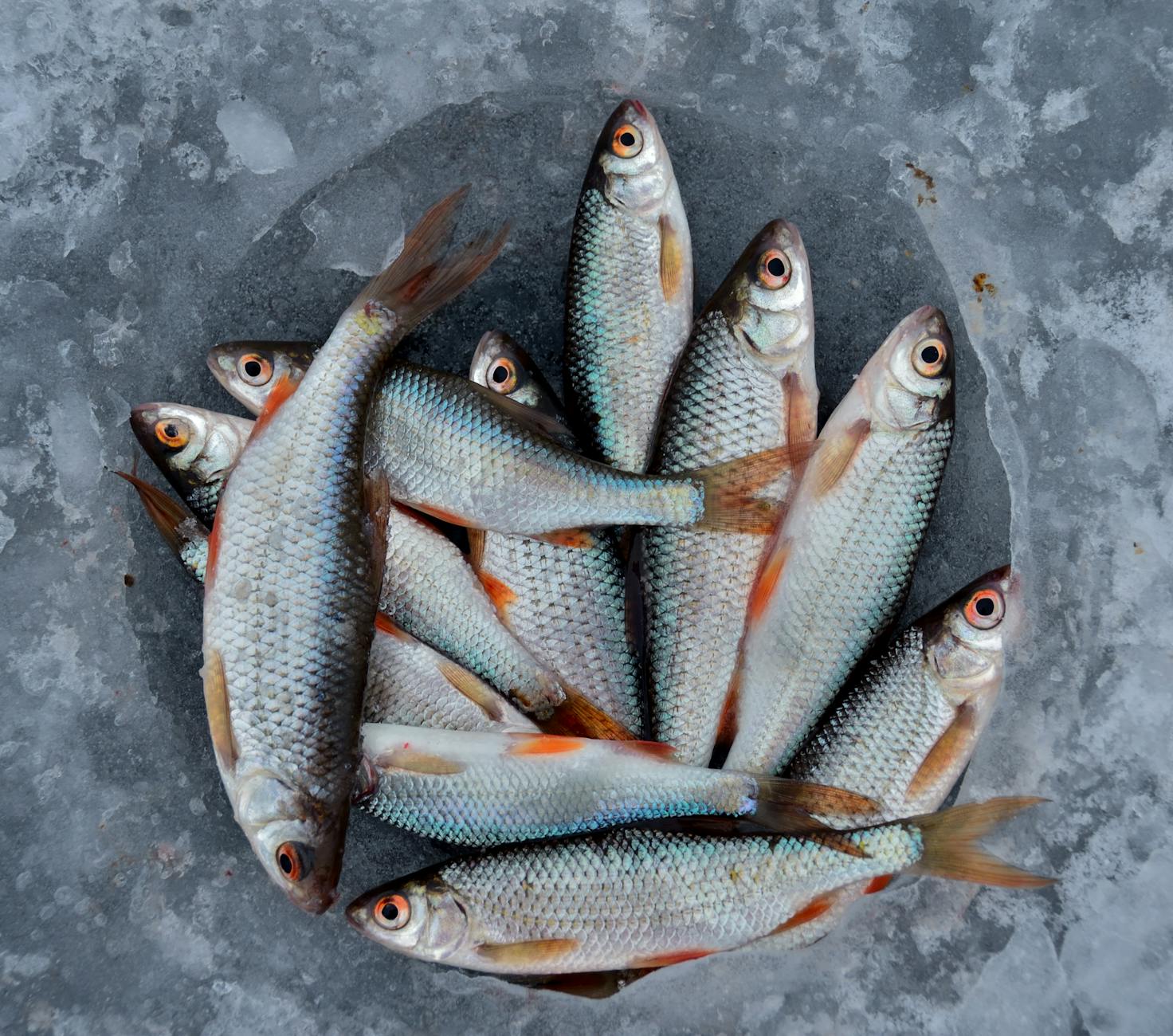
Knowing how to identify truly fresh seafood protects you from subpar purchases. Look for clear, bright eyes rather than cloudy or sunken ones. Additionally, press the flesh gently—it should spring back immediately rather than leaving an indentation. Fresh seafood smells like clean ocean water, not fishy or ammonia-like. Most seafood at this market comes from local Balinese waters, though some vendors also stock imported items like salmon, which isn’t native to Indonesia’s tropical seas.
How Much Does Seafood Cost? Prices & Bargaining Tips
Understanding the pricing at Jimbaran Fish Market helps you budget accurately and avoid overpaying. All seafood sells by weight, measured in kilograms, and vendors use hanging scales or digital scales to weigh your selection. The total cost includes both the seafood purchase and the grilling fee, which typically runs IDR 20,000-40,000 per kilogram at nearby warungs.
Prices fluctuate based on availability, season, and species, but here are general ranges you can expect:
- Common fish (snapper, grouper, barracuda): IDR 80,000-150,000 per kg. These local catches offer the best value and are perfect for grilling. A 500-gram fish feeds one person generously.
- Premium options (large tuna, lobster): IDR 200,000-500,000 per kg. Lobster prices can climb even higher depending on size, sometimes reaching IDR 600,000-800,000 per kg for jumbo specimens.
- Shellfish (prawns, crabs, squid): IDR 100,000-300,000 per kg. Prices depend heavily on size—giant tiger prawns cost significantly more than smaller varieties.
Bargaining isn’t just accepted at this market; it’s absolutely expected as part of the cultural shopping experience. Start by offering 60-70% of the initial asking price, then negotiate upward to meet somewhere in the middle. Always smile and keep negotiations friendly rather than aggressive. Moreover, walk between several vendors to compare prices before committing to a purchase.
Cash is king here, and most vendors don’t accept cards or digital payments. Bring small denominations like 50,000 and 100,000 rupiah notes because vendors often lack change for large bills. ATMs are available nearby if you need to withdraw more cash.
The Grilling Process: How Does It Work?

The genius of Jimbaran Fish Market lies in its seamless partnership with nearby warungs that transform your raw seafood into a delicious meal. This unique system lets you choose exactly what you want from the market, then walk a few steps to have it cooked by experienced local chefs. Understanding this process beforehand eliminates confusion and helps you enjoy the experience fully.
Here’s how the buying and grilling process unfolds from start to finish:
- Step 1: Select and purchase your seafood: Browse the market stalls, choose your fish or shellfish, and negotiate the price. The vendor will weigh your selection, clean it (removing scales and guts), and pack it in a plastic bag for you.
- Step 2: Choose a warung: Walk to one of the many small restaurants lining the beach near the market. These warungs charge IDR 20,000-40,000 per kilogram to cook your seafood, regardless of the cooking method you select.
- Step 3: Specify your cooking preference: Tell the warung staff how you’d like each item prepared. Grilling over coconut husks is most popular, but you can also request fried, steamed, or cooked in spicy sambal sauce. They’ll take your seafood to the kitchen and return it cooked to perfection.
The grilling fee includes more than just cooking. Your meal comes with steamed white rice, fresh vegetables (usually water spinach or cabbage), multiple sambal varieties, and sometimes crackers. You’ll dine at simple tables with sand under your feet and ocean views stretching before you. Most warungs also sell cold drinks, so order a Bintang beer or fresh coconut to complete the authentic Balinese seafood experience.
What Should First-Time Visitors Know?

Your first visit to Jimbaran Fish Market might feel overwhelming with vendors calling out, unfamiliar fish species, and the bustling energy of a working market. However, a little preparation transforms potential stress into an exciting cultural adventure. These practical tips help first-timers navigate the experience like seasoned locals.
Keep these essential guidelines in mind for a smooth and enjoyable visit:
- Dress appropriately for a wet market: Wear casual clothes you don’t mind getting dirty, and definitely choose closed-toe shoes over sandals. The market floors stay wet from melting ice and fish cleaning, making flip-flops slippery and impractical.
- Bring sufficient cash in small bills: Carry at least IDR 500,000-1,000,000 in denominations like 50,000 and 100,000 rupiah notes. Vendors rarely have change for 500,000 notes, and you’ll need cash for both the seafood purchase and grilling service.
- Arrive early but not too early: Aim for 7:00-8:00 AM to enjoy fresh selection without the wholesale chaos. Additionally, morning temperatures are much more comfortable than midday heat.
- Expect friendly vendor persistence: Sellers will call out and invite you to their stalls enthusiastically. Nevertheless, don’t feel pressured—this is normal market behavior, not aggressive salesmanship. A smile and “Tidak, terima kasih” (No, thank you) works perfectly.
- Inspect before purchasing: Always ask to examine the seafood closely before agreeing to buy. Specifically, check eyes, smell, and flesh firmness as discussed earlier.
Moreover, budget for the complete experience by calculating seafood cost plus grilling fee (IDR 20,000-40,000/kg) plus drinks. Finally, learning a few Indonesian phrases enhances your experience: “Berapa harga?” (How much?) and “Terlalu mahal” (Too expensive) prove invaluable during bargaining.
Is Jimbaran Fish Market Worth Visiting?
After weighing all the factors, most visitors find Jimbaran Fish Market absolutely worth the early wake-up call and occasional haggling stress. However, whether it suits your travel style depends on what you value most in your Bali experience. Let’s break down the honest pros and cons so you can decide for yourself.
The market offers several compelling advantages that make it a standout attraction:
- Authentic local culture: You’ll witness real Balinese life rather than a sanitized tourist show. The fishermen, vendors, and wholesale buyers create genuine atmosphere that few tourist attractions can match.
- Unbeatable freshness and value: Seafood literally comes off the boat hours before reaching your plate. Moreover, you’ll pay significantly less than beachfront restaurants for the same quality fish—sometimes half the price or better.
- Complete customization: Choose exactly which fish, what size, and how it’s prepared. This control ensures you get precisely what you want without menu limitations.
On the flip side, the market presents some challenges worth considering. The bustling atmosphere can feel chaotic for travelers who prefer structured experiences. Additionally, bargaining is non-negotiable, which some people find stressful rather than fun. Furthermore, the early morning timing doesn’t work for everyone’s vacation schedule.
This experience particularly suits adventurous eaters, budget-conscious travelers, and anyone seeking authentic cultural interactions. Alternatively, Jimbaran’s beachfront seafood cafes offer a more relaxed option with fixed menus and sunset views, though at higher prices. Overall verdict? If you enjoy markets and don’t mind a bit of adventure, absolutely visit—it’s a memorable Bali highlight you won’t find in guidebooks.
What Else Can You Do Near Jimbaran Fish Market?
Jimbaran Fish Market sits at the center of one of Bali’s most popular coastal areas, surrounded by beaches, temples, and dining options. After your morning market visit, you’ll find plenty of activities within minutes to fill out your day. The market’s proximity to the airport also makes it perfect for combining with arrival or departure day plans.
Here are the top attractions and activities worth exploring nearby:
- Jimbaran Beach relaxation: The beautiful bay beach stretches right beside the market, offering calm waters ideal for swimming and soft sand perfect for sunbathing. Later in the day, it becomes famous for spectacular sunset views that paint the sky in brilliant oranges and pinks.
- Beachfront seafood dinner experience: The same beach transforms into a dining destination after dark, with dozens of candlelit restaurants serving grilled seafood while waves lap at your feet. This provides a more upscale alternative to the market warungs.
- Uluwatu Temple day trip: Located just 20 minutes south, this clifftop temple ranks among Bali’s most iconic landmarks. Additionally, the nightly Kecak fire dance performances there offer unforgettable cultural entertainment.
- Water sports and activities: Jimbaran Bay offers jet skiing, parasailing, banana boat rides, and snorkeling tours. Operators line the beach and can arrange experiences on the spot.
- Village exploration and shopping: Wander through Kedonganan’s streets to discover local shops, traditional warungs, and everyday Balinese life. Furthermore, small markets sell everything from sarongs to handicrafts at local prices.
Since the market sits only 3 km from the airport, many travelers visit on their first morning in Bali or squeeze it into their departure day schedule before evening flights.
Frequently Asked Questions About Jimbaran Fish Market
What time does Jimbaran Fish Market open?
The market opens at 6:00 AM and runs until 3:00 PM daily. However, visit between 7:00-10:00 AM for the best selection without wholesale crowds.
How much does seafood cost at Jimbaran Fish Market?
Common fish like snapper cost IDR 80,000-150,000 per kg, while premium lobster reaches IDR 200,000-500,000 per kg. Additionally, budget IDR 20,000-40,000 per kg for grilling fees at nearby warungs.
Can you eat at Jimbaran Fish Market or do you need to go elsewhere?
You can’t eat at the market itself, but warungs sit right next door along the beach. Buy your seafood, then walk to a warung where they’ll cook it with rice, vegetables, and sambal included.
Do vendors at Jimbaran Fish Market speak English?
Many speak basic English for transactions, though communication often involves gestures and calculators. Learning phrases like “Berapa harga?” (How much?) helps significantly.
Is Jimbaran Fish Market the same as Kedonganan Fish Market?
Yes, they’re identical. Locals call it Kedonganan or Pasar Ikan Kedonganan, while tourists use Jimbaran Fish Market. Either name works when searching or asking directions.
How far is Jimbaran Fish Market from the airport?
Just 3 kilometers from Ngurah Rai International Airport—about 10-15 minutes by car. This makes it perfect for arrival day visits or pre-flight stops.
Do you need to bargain at Jimbaran Fish Market?
Yes, bargaining is expected and culturally normal. Start at 60-70% of the asking price and negotiate respectfully. Keep it friendly with smiles rather than aggressive.
What’s the best seafood to buy at Jimbaran Fish Market?
Red snapper offers excellent value and grills beautifully. Alternatively, ask vendors what arrived fresh that morning for the best quality and seasonal catches.
Conclusion
Jimbaran Fish Market delivers one of Bali’s most authentic and rewarding experiences, connecting you directly with the island’s fishing traditions and coastal culture. Unlike sanitized tourist attractions, this working market pulses with real life—fishermen unloading catches, vendors negotiating deals, and locals selecting dinner ingredients just as their families have done for generations. Moreover, the combination of choosing your own fresh seafood and having it grilled beachside creates memories that standard restaurant visits simply can’t match.
As you plan your visit, remember the essential tips that ensure success: arrive between 7:00-10:00 AM for optimal selection, bring cash in small denominations, and embrace bargaining as a friendly cultural exchange rather than a stressful negotiation. These simple preparations transform a potentially overwhelming experience into an enjoyable adventure.
Whether you’re a seafood enthusiast, budget traveler, or cultural explorer, adding Jimbaran Fish Market to your Bali itinerary offers incredible value and authenticity. The market sits just 3 km from the airport, making it accessible for nearly any schedule. So set that alarm, grab some rupiah, and prepare for a morning that captures the real spirit of Balinese coastal life.
Have you visited Jimbaran Fish Market? Share your experiences, favorite seafood choices, or bargaining tips in the comments below to help future travelers!