Skip to content
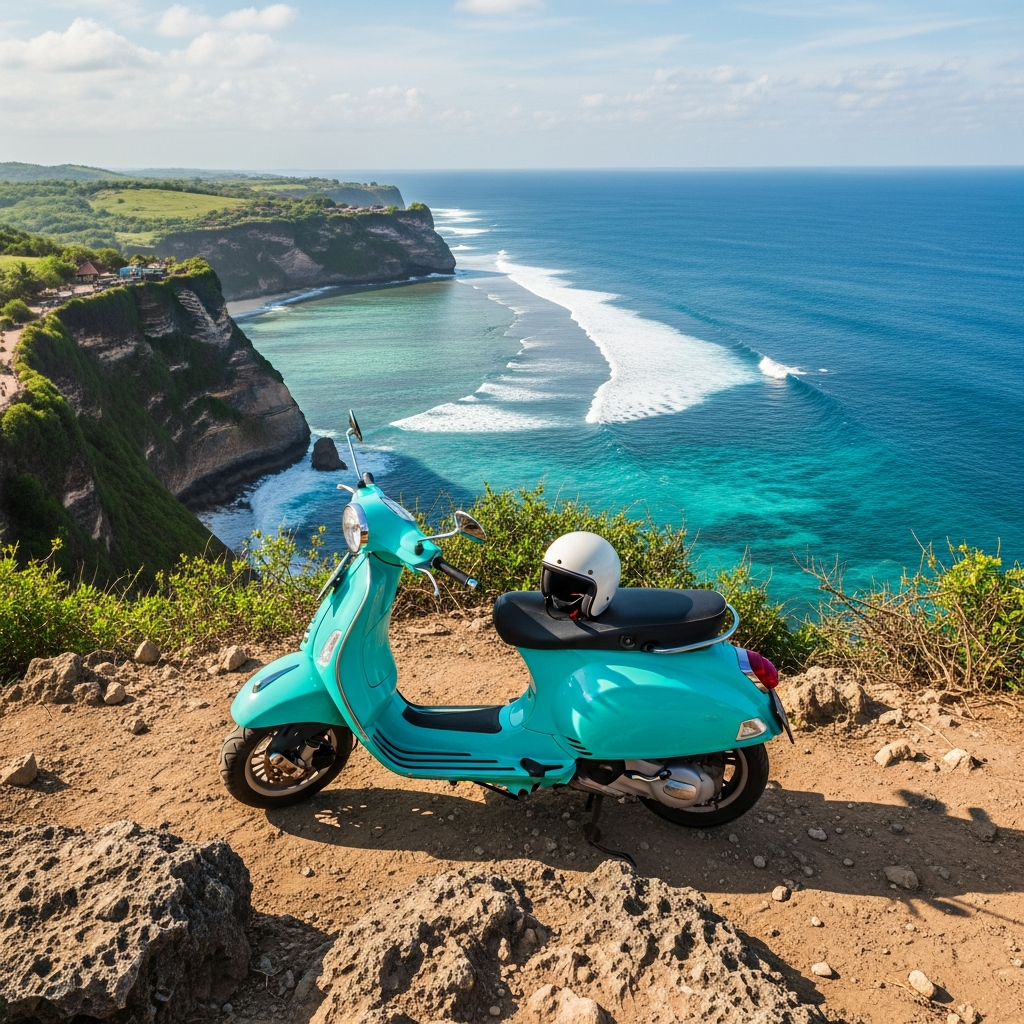
You land in Bali, ride down to Uluwatu, and start hearing the same introductions again and again: Wayan. Made. Nyoman. Ketut. So, why Balinese only use the same four names—and how can so many people share them without confusion?
Table of Contents
Now, here’s the key: those “repeat” names usually aren’t personal names in the Western sense. Instead, they’re birth-order names that instantly tell locals where someone falls in their sibling line. Plus, Balinese names can also include gender markers, caste titles, and a separate personal name used among family and close friends. In other words, what looks repetitive to visitors is actually a fast, meaningful social map.
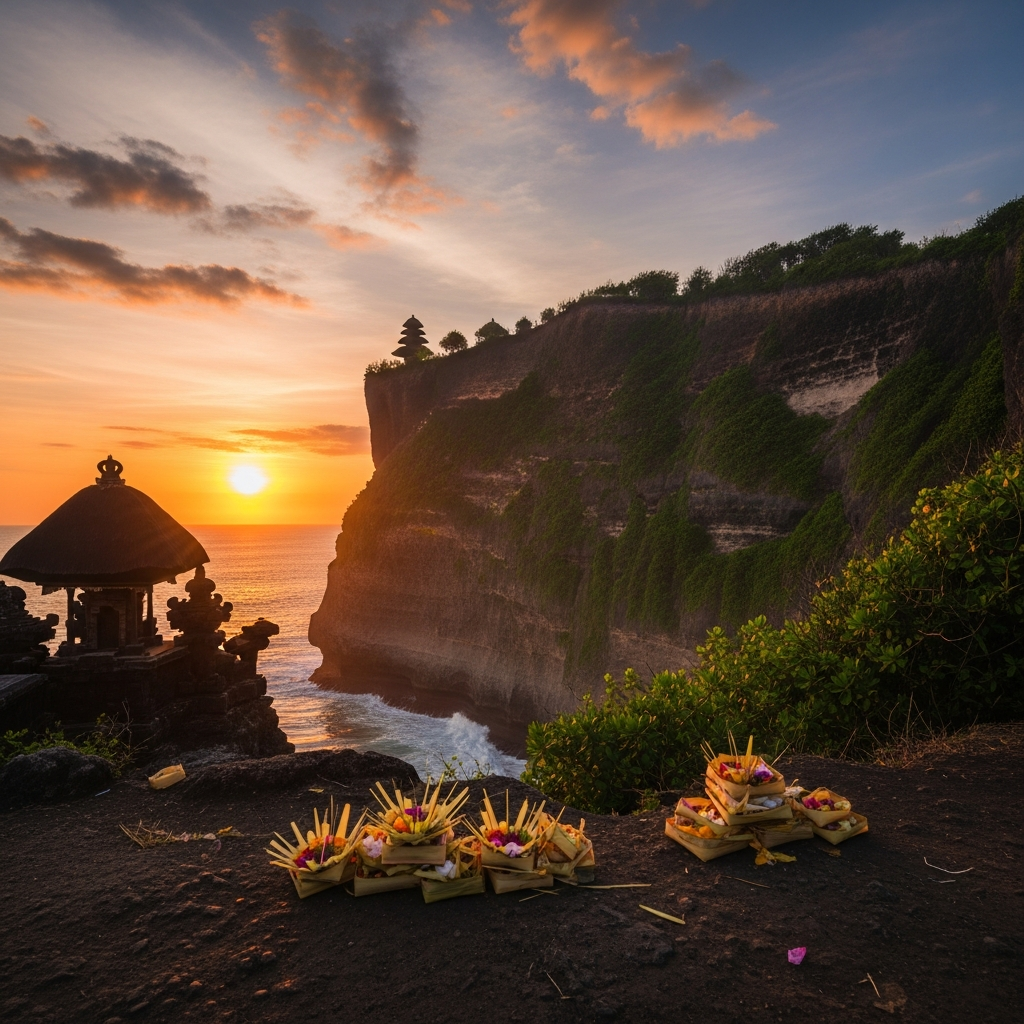
Also, Uluwatu is a great place to learn this because you’ll see tradition and modern Bali side by side. One minute you’re watching waves detonate on the reef; next you’re tying on a sarong to enter a cliffside temple, hearing names spoken with real care.
Key Takeaways
| Category | Key Point | Pro Tip |
|---|---|---|
| The “Four Names” | Wayan, Made, Nyoman, Ketut usually signal birth order, not individuality. | Listen for an extra personal name after the birth-order name. |
| How It Works | Names often stack: gender marker + birth-order name + personal name + (sometimes) title. | On forms, write the full name exactly as shown on the passport/ID. |
| Caste & Titles | Some names include caste indicators like Ida Bagus/Ida Ayu or Anak Agung. | Use titles respectfully if someone introduces themselves that way. |
| Uluwatu Context | Tourism means you’ll hear nicknames and Western-friendly versions, too. | Ask staff how to pronounce their name, then mirror it carefully. |
| Travel Practicalities | Uluwatu costs often sit around $50–150/night, meals $5–15, scooters from ~$10/day. | Carry small cash for warungs, parking, and temple sarong rentals. |
Introduction to the Balinese Naming Tradition
Uluwatu has a way of stripping life down to essentials. First, there’s the wind off the Indian Ocean. Next, there’s the smell of frangipani and incense near temple gates. After that, there’s everyday conversation—where names are used constantly, politely, and with meaning.
So, the “same four names” idea comes from a common pattern: birth-order naming. In many Balinese communities, a first-born child is often called Wayan (or a close variant), the second is often Made, the third is often Nyoman, and the fourth is often Ketut. That system is widely described in overviews of Balinese naming conventions. “Balinese names commonly reflect birth order with names such as Wayan, Made, Nyoman, and Ketut, and can include caste and gender markers.” (Wikipedia – Balinese name)
But it’s not a rigid “only four names, forever” rule. Instead, it’s more like a shared code. Because families and villages are close-knit, knowing birth order can hint at age, expected responsibilities, and how someone fits into a household.
Also, Balinese names are usually multi-part. A person might have:
- a gender marker (often I for men, Ni for women),
- a birth-order name (Wayan/Made/Nyoman/Ketut),
- a personal name chosen by the family,
- and sometimes a caste title.
That’s why it’s common to hear a Wayan who is also Komang (as a personal name), or a Made who is also Surya, or a Ketut who goes by a nickname at work.
Historical roots of the system
First, Bali’s naming patterns grew in a society where community, ritual, and family roles mattered deeply. Birth order is an obvious marker in any culture. But in Bali it became a practical naming tool, especially in villages where many people share similar personal names.
Next, Hindu-Balinese traditions emphasize cycles—of days, ceremonies, and life stages. As a result, it makes sense that naming would also lean into recognizable patterns.
Why Westerners notice the repetition
Now, visitors often meet staff in restaurants, drivers, surf instructors, and hotel teams who introduce themselves with the birth-order name first. That’s the part that sticks in your memory. Meanwhile, the personal name might come later, be shortened, or be used only by close circles.
Also, booking systems and social media can flatten names into a single field. So, “Wayan” becomes the whole identity on a reservation, even if the full name is longer and richer.
Understanding the Four Birth-Order Names
The heart of the question—why Balinese only use the same four names—is really about how birth-order names work in daily life.
First, think of these names like “First,” “Second,” “Third,” and “Fourth,” but with cultural texture. They signal position in the family, and they’re understood instantly by locals. “Balinese names commonly reflect birth order with names such as Wayan, Made, Nyoman, and Ketut…” (Wikipedia – Balinese name)
Still, each of the four has variants. And those variants can hint at region, family preference, or even the vibe of the name.
First-born: Wayan, Putu, Gede
Wayan is the name many travelers hear the most. Also, it’s often associated with the first child, who may carry big expectations in family duties, ceremonies, and caregiving.
Next, you’ll hear Putu as another first-born marker. In some contexts, Gede appears too, and it can carry a sense of “big” or “eldest,” depending on usage.
In Uluwatu, this becomes practical fast. For example, if a surf coach says, “Call me Wayan,” you’re not being invited into deep intimacy. You’re being given a respectful, easy handle that fits local norms.
Second-born: Made, Nengah, Kadek
Made is typically tied to the second child. Yet, you might meet a second-born called Kadek or Nengah instead. And in tourist areas, Kadek is incredibly common as a staff name on menus, tour rosters, and WhatsApp contacts.
Also, pronunciation matters. “Made” in Bali is often closer to “MAH-day,” not “made” like English. So, saying it carefully is a small sign of respect.
Third-born: Nyoman, Komang
Nyoman is often the third-born name. Too, Komang is a widely used third-born variant, and travelers hear it constantly in South Bali.
Now, this is where confusion can start, because some people use Komang as a personal name even when it isn’t their birth order. That doesn’t break the system. It just shows how living traditions flex with time.
Fourth-born: Ketut
Ketut is typically for the fourth-born child. In fact, it’s sometimes the one visitors remember best because it sounds distinct and rhythmic.
Also, Ketut is famously used in pop culture and travel storytelling, which keeps it in the spotlight. Still, in real life it functions like the others: a social cue first, and a unique identifier only when paired with other name parts.
Cultural and Religious Significance
Birth-order naming isn’t only about convenience. It also fits into Balinese ideas about belonging, harmony, and the rhythm of life. So, the repetition can feel almost ceremonial, like a chant you hear across generations.
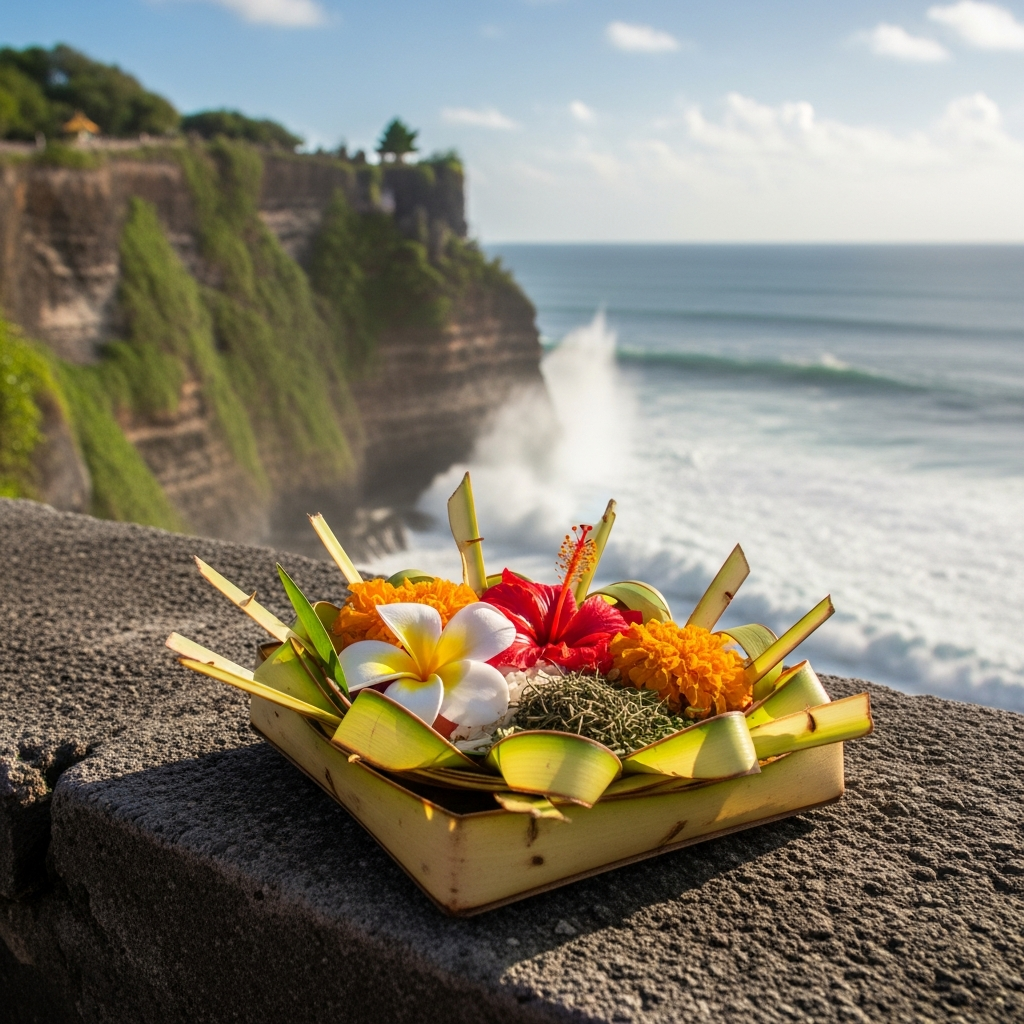
First, Bali is deeply shaped by religious practice. Offerings appear on sidewalks, shop counters, and temple steps. Because rituals happen daily, identity is constantly tied back to family and community roles.
Next, naming supports that network. When you know someone is Wayan, you often know they’re the eldest sibling. That can hint at responsibility, expected leadership, and who might speak for a family in community settings.
Also, Balinese culture holds a strong sense of continuity with ancestors. While beliefs vary family to family, many Balinese concepts emphasize cycles and returning patterns. That cycle-friendly worldview makes a repeating set of birth-order names feel natural rather than limiting.
Now, there’s another layer: in Bali, a person is not just an individual floating alone. Instead, a person sits inside a web of relationships—house compound, banjar (community group), temple, and extended kin. So, naming that quickly locates you in the web is useful.
Still, visitors can miss the nuance because English introductions often get simplified. A driver might say “I’m Made,” because it’s easy for tourists. Yet at home, relatives may use the personal name, a nickname, or even a playful “second child” reference depending on context.
And in places like Uluwatu, tradition and tourism bump shoulders daily. You might watch a Kecak performance near Uluwatu Temple at sunset, hearing ancient rhythm and chorus, then step outside to a modern café where staff names are written on cups with marker pen. The same naming heritage threads through both scenes.
Also, it helps to remember that Bali is part of Indonesia, and Indonesia has many naming systems. So, Balinese naming stands out even to other Indonesians.
For travelers, this cultural insight can make ordinary moments richer. You start noticing how often names get used, how gently people correct pronunciation, and how often introductions include a warm smile and a small bow of the head.
Finally, keep respect at the center. Names in Bali aren’t just labels. They’re part of how people relate, cooperate, and show courtesy in daily life.
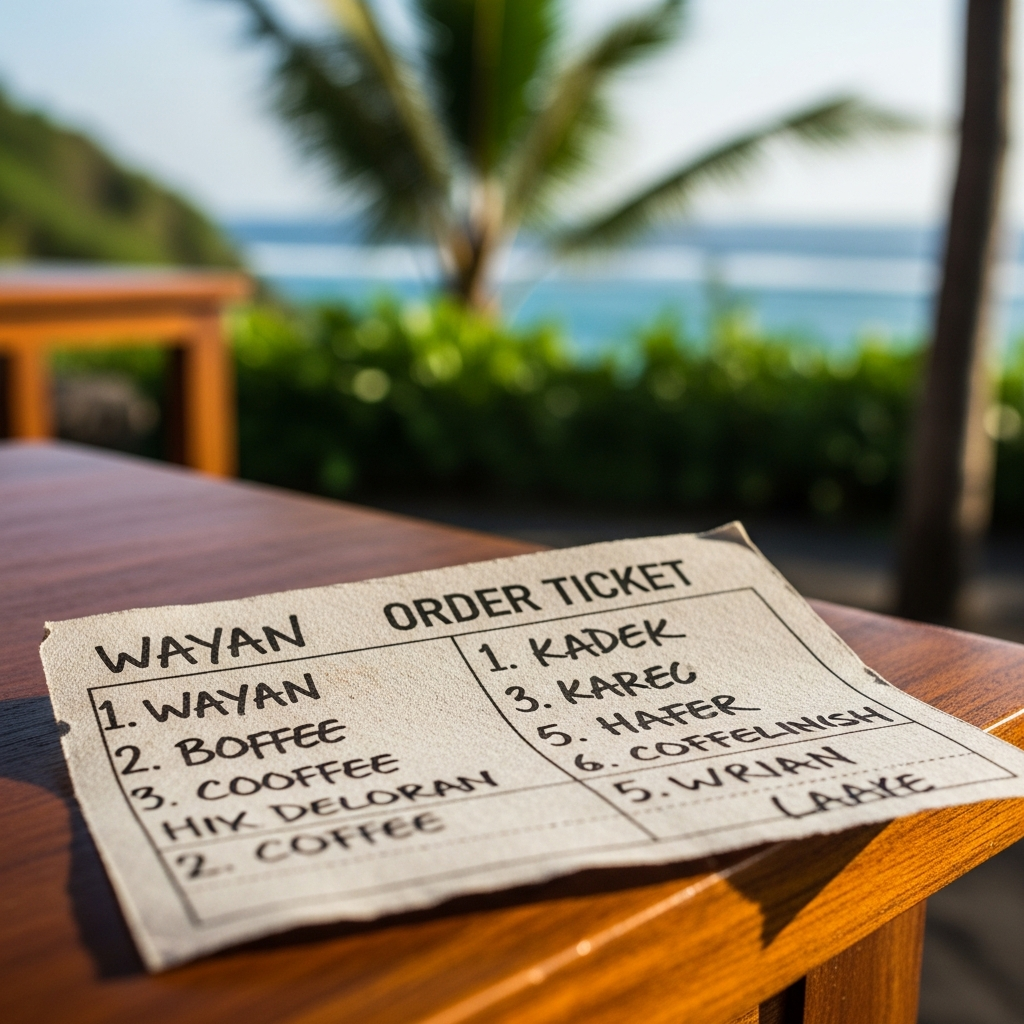
Caste and Gender Prefixes in Names
Birth order explains the “four names” piece, but it doesn’t explain the full Balinese name you might see on a sign-in sheet or ID. That’s where gender markers and caste titles come in.
First, many Balinese use I (male) and Ni (female) as common prefixes. These are especially associated with the largest group historically described as commoners in caste discussions. “Balinese names and titles can indicate caste and social status; common prefixes include I (male) and Ni (female)…” (Murni’s Houses & Spa (Names, Titles and Castes))
Also, you might see those prefixes combined with birth-order names in everyday introductions, like:
- I Wayan …
- Ni Made …
- I Nyoman …
- Ni Ketut …
Next, some Balinese names include titles linked to higher caste groups and historical nobility lines. For example, names like Ida Bagus (male) and Ida Ayu (female) are associated with Brahmana titles. “…while higher-caste titles include Ida Bagus/Ida Ayu and Anak Agung.” (Murni’s Houses & Spa (Names, Titles and Castes))
Then, you may come across Anak Agung, Dewa, or Tjokorda, which can indicate Ksatria or noble heritage depending on the specific title and local tradition. Still, it’s polite not to guess. In Bali, titles carry history, and people choose how much to foreground them.
Now, what does this mean in Uluwatu day to day?
- At hotels, a staff badge might show a full formal name with title and birth order.
- On WhatsApp, the same person might use a shorter work name for ease.
- At temples, formal address and respect matter more, especially with priests and ceremonial leaders.
Also, travelers sometimes assume caste works like a strict daily rulebook. Yet modern Bali is more nuanced. People move, study, work in tourism, and adapt. So, titles exist, but life is not frozen in time.
Finally, the safest approach is simple: use the name someone gives you. If a person introduces themselves with a title, include it. If they offer a short name, use that.
Personal Names and How They Differ
Here’s the part that clears up most confusion: many Balinese have a personal given name in addition to birth order and titles. So, two people can both be “Wayan,” but their personal names distinguish them in meaningful ways.
First, think of birth-order names as a shared framework. Then, think of personal names as the chosen detail that adds individuality.
Also, personal names can reflect:
- family hopes (like strength, light, peace)
- Sanskrit or Balinese-influenced meanings
- modern inspirations
- religious references
- or simply names a family loves the sound of
Now, why don’t visitors hear these personal names as often?
Because in tourist-facing work, simplicity wins. If your server says, “I’m Kadek,” that’s quick to remember. Meanwhile, their full name might be longer, and it might be used mostly at home, during ceremonies, or among close friends.
Still, you’ll spot personal names in small ways:
- on payment receipts
- on business cards for drivers
- on Instagram handles
- on certificates in yoga studios or surf schools
Plus, Balinese people often use nicknames, especially in youth culture and workplaces. So, a Ketut might go by “Tut,” and a Nyoman might go by “Man.” In Uluwatu’s café and surf scene, those short forms are common because they’re friendly and fast.
Also, the lack of a Western-style family surname can surprise travelers. Yet in practice, Bali manages identity through community context, banjar ties, and multi-part names rather than one inherited last name used by everyone in a nuclear family.
For practical travel moments, this matters on forms and bookings. If a hotel asks for a driver’s name for gate access, get the exact name as they write it. That avoids mix-ups between three different “Made” contacts saved in a phone.
Finally, treat names as living culture, not a curiosity to poke at. When you pronounce a name carefully and use it politely, it changes the tone of every interaction—at check-in, at a warung, or while arranging a ride back from Uluwatu Temple after sunset.
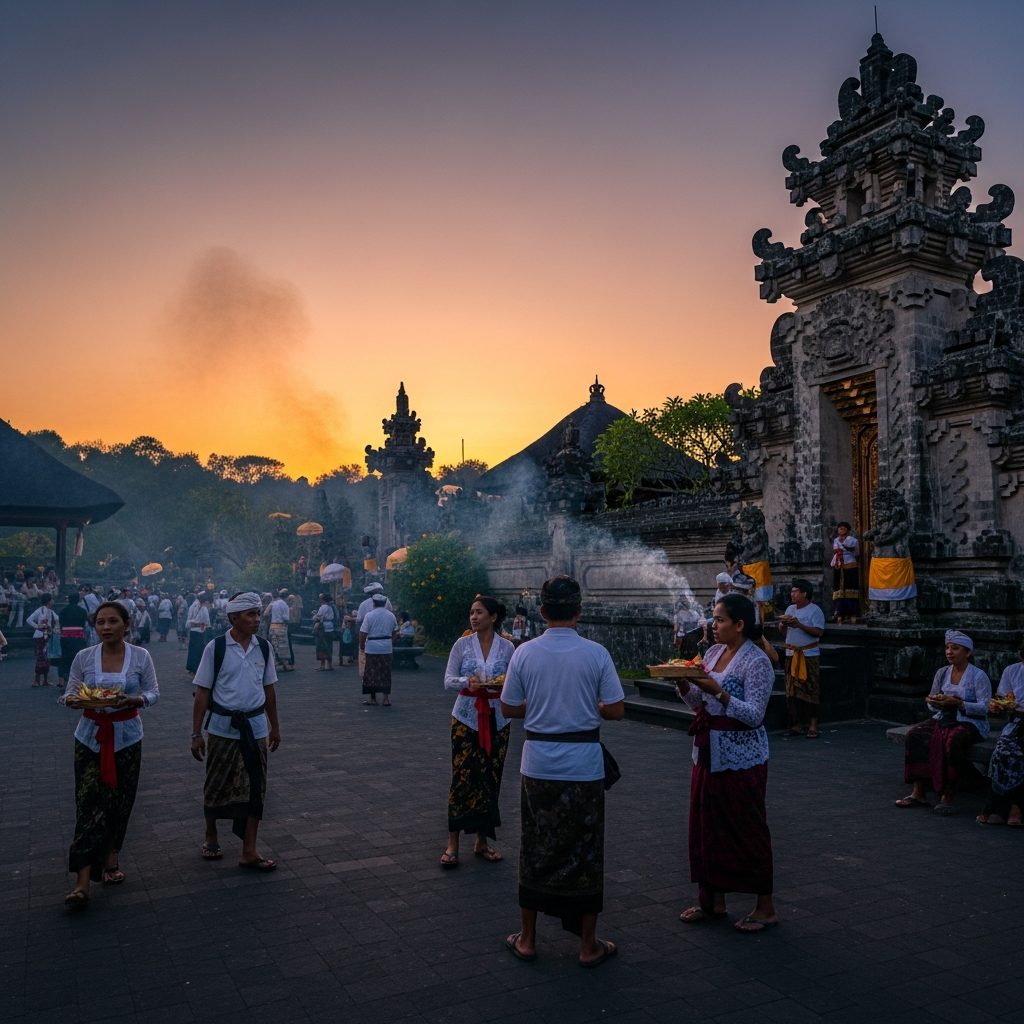
Variations for Additional Children
So what happens if a family has more than four children?
First, the system doesn’t break. Instead, it often cycles. That’s why you may hear forms like Wayan Balik for a fifth child in some communities, with “balik” suggesting a return to the start of the cycle.
Also, families might use additional variants, personal names, or affectionate nicknames to keep things clear. In daily life, context does a lot of work. A village knows its people, and families know their own naming patterns.
Now, in modern Bali, many families have fewer children than in past generations, especially in urban and tourism-heavy areas. So, fifth-child naming is less common in some places. Still, the idea matters because it shows what the system really is: a repeating social structure, not a limited imagination.
Plus, this cycling logic fits Bali’s broader rhythm. Ceremonies repeat on calendars, offerings repeat daily, and festivals return each year. So, a repeating naming cycle doesn’t feel strange inside the culture.
For travelers, this is also a reminder not to assume. If you meet a Wayan, that’s a clue, not a complete biography. And if you meet a Wayan Balik, you’ve just learned something delightful about how flexible tradition can be.
Modern Adaptations and Misconceptions
Uluwatu today is a blend: barefoot surfers, temple ceremonies, boutique hotels, and coworking laptops. So, Balinese names have adapted in visible ways.
First, some Balinese adopt a Western-style “last name” for paperwork, travel, or branding. Others keep a single name officially. Indonesia’s naming practices allow for variety, and Balinese people navigate modern systems in practical ways.
Also, many Balinese in tourism choose an easy-to-pronounce nickname for international guests. That doesn’t mean they’re abandoning culture. It often means they’re making daily work smoother.
Now, common misconceptions to drop:
- “Balinese only have four names.” Not true. Those are often birth-order names, plus there are variants, titles, and personal names.
- “If two people are named Made, they must be related.” Not necessarily. Made can simply mean second-born.
- “Balinese don’t care about unique identity.” Actually, identity is expressed through personal names, titles, community roles, and family connections, not only through a single unique first name.
Also, be aware of etiquette around names at temples and ceremonies. Modest dress is expected in temples, and sarongs are commonly required. Visitors typically keep voices low and follow posted rules. Those basics go a long way in Uluwatu, where sacred spaces sit dramatically above the sea.
Finally, keep travel logistics in mind while enjoying culture. Visa policies can change, but “US, UK, EU, and Australian visitors are typically eligible for a Visa on Arrival for Indonesia (requirements can change).” (Indonesia Travel (Official)) And Bali’s dry season is commonly described as April to October, which can be ideal for clearer sunsets and easier beach days. “Dry season in Bali typically runs from April to October.” (Bali Tourism Guide)
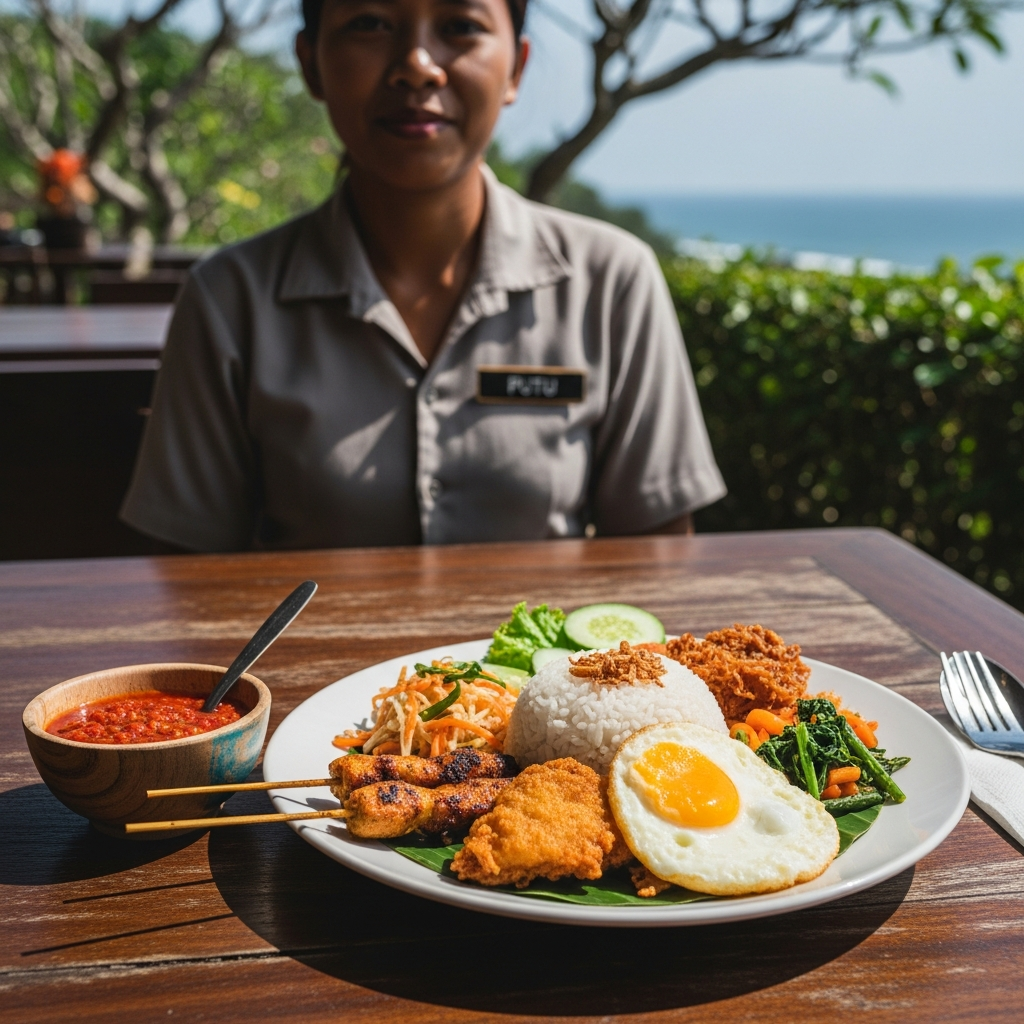
Conclusion
Overall, why Balinese only use the same four names comes down to a smart, community-friendly system: birth-order names like Wayan, Made, Nyoman, and Ketut act as social shortcuts. But that’s only the start. Also, gender prefixes, caste titles, and personal names add depth, clarity, and individuality.
Uluwatu makes this lesson feel real because you’ll hear names everywhere—at check-in desks, surf breaks, warungs, and temple gates—woven into daily courtesy like incense smoke on the breeze.
Now, take the insight with you as you travel. Learn the pronunciation. Use the name offered. And notice the extra pieces of identity that appear when you slow down.
Because the best Uluwatu memories aren’t only sunsets and waves. In the end, they’re the human moments—when a name stops sounding “repeated” and starts sounding like belonging.
Also, if Uluwatu is next on the list, lock in the basics early: Bali costs often land around $50–150 per night for accommodation, local meals around $5–15, and scooter rentals from about $10 per day. “Bali cost references: accommodation often falls around $50–150/night; local meals about $5–15; scooter rental from around $10/day. (Book your stay here))
Finally, explore with care. Keep an emergency number saved just in case. “Emergency number in Indonesia can be reached by dialing 112.” (Bali Safety (Emergency info))
Call to action: Next time you’re in Uluwatu, choose one place to return to twice—maybe the same warung or the same viewpoint. Then, pay attention to names, greetings, and small courtesies. That simple habit turns Bali from a destination into a story you actually understand.