 Skip to content

If you’re searching for things to do in Uluwatu, get ready for a place that feels like Bali turned the drama knob all the way up. Here, limestone cliffs drop into electric-blue water, frangipani-scented breezes drift through temple gates, and sunset can look like someone spilled molten gold across the Indian Ocean.
Table of Contents
- Top 10 Things to Do in Uluwatu (Quick List)
- Uluwatu at a Glance (Before You Go)
- 1) Uluwatu Temple at Sunset (Pura Luhur Uluwatu)
- 2) Watch the Kecak Fire Dance (Sunset Show)
- 3) Beach-Hop the Famous Coves (Padang Padang, Bingin, Suluban/Blue Point)
- 4) Visit Wider Sandy Beaches (Dreamland + Thomas Beach)
- 5) Chase Uluwatu’s Best Cliff Viewpoints
- 6) Go Surfing (or Watch World-Class Waves)
- 7) Plan a Sunset Bar / Cliff Lounge Night
- 8) Add a Cultural Day Trip: GWK Cultural Park
- Traveler Essentials: Entry, Levy, and Useful Apps
- Safety Tips for Uluwatu (Read Before You Swim or Ride)
- Sample Itineraries (Choose Your Pace)
- Where to Stay in Uluwatu (Logistics-First Advice)
- FAQ: Things to Do in Uluwatu
- Conclusion
However, Uluwatu isn’t just “a beach area.” It’s a whole vibe: surf lookouts with cheering spectators, hidden staircases to pocket coves, and evenings that start with salty hair and end with a candlelit dinner on the edge of a cliff. In this guide, you’ll find the best things to do in Uluwatu, Bali, plus practical tips for timing, transport, and staying safe on reefy beaches.
Top 10 Things to Do in Uluwatu (Quick List)
1) Watch sunset at Uluwatu Temple for cliffside magic and ocean views. 2) See the Kecak Fire Dance for a goosebumps-worthy cultural show at dusk. 3) Beach-hop Padang Padang + Bingin for iconic coves and laid-back lunches. 4) Explore Suluban Beach (Blue Point caves) for a cave-like entry and surf energy. 5) Catch a cliffside sunset viewpoint for pure “wow” photos and sea spray. 6) Visit Dreamland Beach for wide sand, easy lounging, and big-sky sunsets. 7) Walk down to Thomas Beach for a calmer, quieter swim window (conditions permitting). 8) Go to Karang Boma Cliff viewpoint for golden hour with heart-stopping drop-offs. 9) Take the longer trek to Nyang Nyang Beach for a more secluded beach day. 10) Do a cultural break at GWK Cultural Park when midday heat hits hard.
Uluwatu at a Glance (Before You Go)
Best time to visit (dry vs wet season)
First, aim for the dry season (generally May–September) if you want clearer skies, easier beach days, and consistently great sunsets. Additionally, this season is more predictable for planning temple time, viewpoints, and dinner reservations.
However, wet season (generally November–March) can still be rewarding with smart planning. For example, bring grippy sandals because stair paths can get slick after rain. Moreover, the ocean often looks extra wild, which is stunning from the cliffs—even when swimming isn’t ideal.
Getting around (scooter vs driver vs ride-hailing)
Next, know this: Uluwatu is spread out. Consequently, it’s not the kind of place where you casually stroll from beach to beach.
- Scooter: most flexible for quick beach hops. Nevertheless, ride only if you’re confident; roads can be narrow and traffic moves fast.
- Private driver: easiest for stacking beaches, viewpoints, and temple sunset in one smooth route. In addition, it removes parking stress.
- Ride-hailing: sometimes works, sometimes doesn’t, depending on the pocket and local rules. Therefore, have a backup plan around sunset.
Money basics (cash vs card)
Also, bring cash in Indonesian Rupiah (IDR). While many cafés and restaurants take cards, beach access points often involve small parking or entry fees that are cash-preferred. Furthermore, warungs are simplest with cash—especially for coconuts and quick lunches.
1) Uluwatu Temple at Sunset (Pura Luhur Uluwatu)
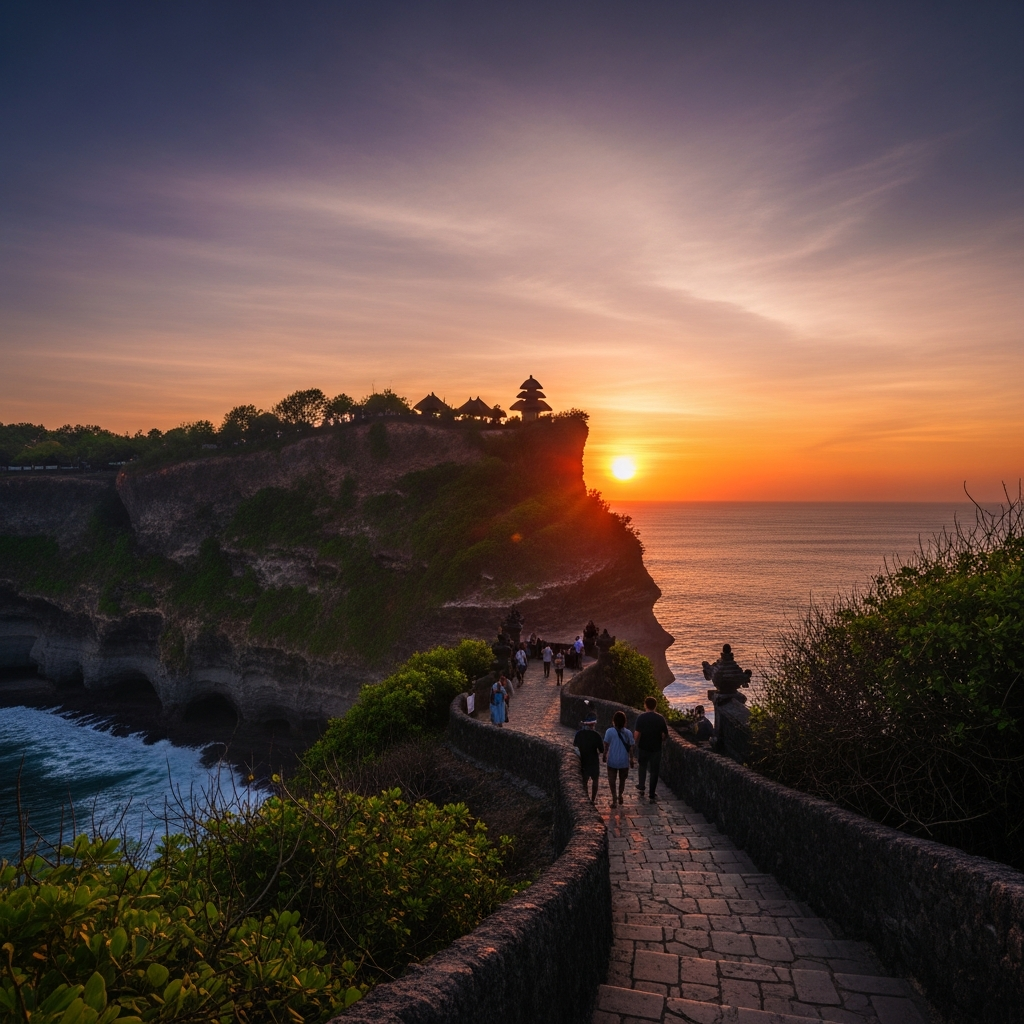
First, put Pura Luhur Uluwatu near the top of your list. This sea temple sits high on a cliff edge, and the setting feels cinematic: waves exploding far below, wind tugging at your sarong, and a horizon that looks endless.
Moreover, arrive with enough time to walk the clifftop paths before the sun dips. As a result, you’ll catch the shifting light on the limestone and avoid feeling rushed.
What to expect on the cliff walk
Next, expect a scenic wander rather than a quick “photo and go.” The paths get crowded near sunset, so move slowly and let people pass. Additionally, pause often because the view changes fast as the sun lowers.
However, don’t treat the edges casually. The drop is real, and wind gusts can surprise you. Therefore, keep a steady pace and skip risky shots near cliff rims.
Temple etiquette (sarong, modest dress, offerings)
Also, dress with respect. You’ll typically need a sarong and sash, which are often provided or required at entry. In addition, avoid beachwear inside temple areas.
Furthermore, watch for small offerings (canang sari) on the ground. Because of this, step around them near entrances and along walkways.
Monkey safety tips (what not to bring)
Finally, the temple’s monkeys are famous—and bold. Notably, they can snatch sunglasses, hats, and anything dangling.
Quick monkey-proof checklist:
- First, put sunglasses away (don’t wear them on your head).
- Next, secure phones and cameras with a strap or tight grip.
- Additionally, hide snacks completely.
- Moreover, avoid eye contact and don’t tease them.
- Consequently, you’ll enjoy the walk without a surprise “monkey tax.”
2) Watch the Kecak Fire Dance (Sunset Show)
Next, pair your temple visit with the Kecak Fire Dance, because it’s one of the most memorable cultural experiences in the area. Instead of instruments, performers build rhythm with chanting—layers of “cak, cak, cak” that rise and fall like waves.
Moreover, the timing is everything: dusk light behind the cliff, then firelight flickering as the story unfolds. Consequently, it feels immersive even if you don’t know the narrative in advance.
How to plan timing with sunset
First, arrive early enough to do your cliff walk before the show. Then, settle in as the sun hits its most dramatic colors.
However, seats can fill quickly in peak periods. Therefore, buffer extra time for traffic and entry lines, especially if you’ve been beach-hopping earlier.
What to wear and bring
Additionally, bring a light layer if ocean wind makes you chilly. In addition, carry water because sunset crowds can feel surprisingly warm.
Most importantly, keep valuables zipped away, since monkeys and crowds are a lively combination. As a result, you’ll focus on the chanting and flames—not your missing hat.
3) Beach-Hop the Famous Coves (Padang Padang, Bingin, Suluban/Blue Point)
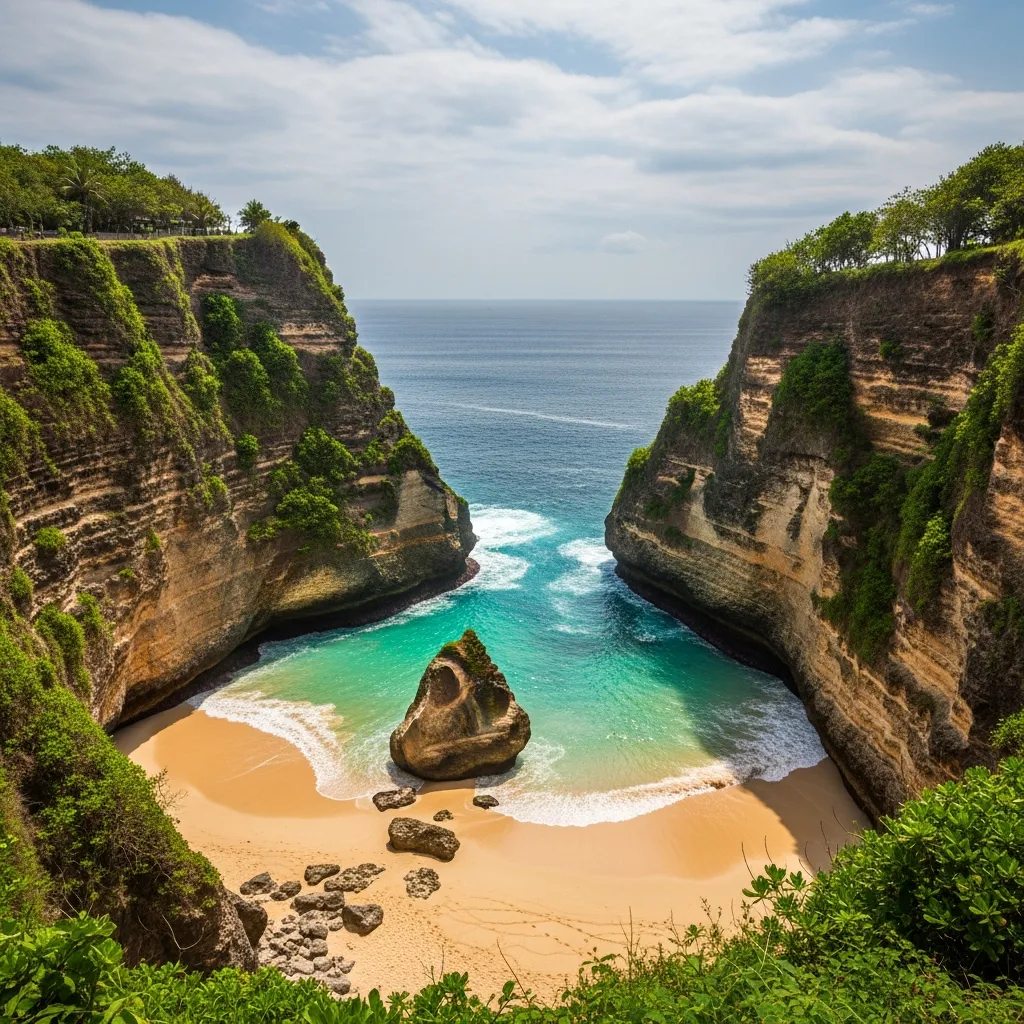
If your dream day includes cliff stairs, sea-salt skin, and lunch steps from the sand, this is your section. Notably, Uluwatu’s most famous beaches aren’t just “beaches.” They’re mini adventures, complete with rock corridors and hidden entries.
Moreover, plan your beach-hop with tides in mind. Because of this, some coves shift dramatically between low and high tide, especially around reef shelves and cave access points.
Padang Padang Beach: best for photos and quick dips
First, Padang Padang is the classic. The entrance threads through rock and down steps into a compact cove. Consequently, it’s fantastic for photos when the water turns bright aqua.
However, it can get busy fast. Therefore, go earlier for a calmer scene or lean into the lively vibe.
Additionally, keep swim expectations flexible. Reef and swell conditions matter, so only dip in if it looks calm and locals agree it’s safe.
Bingin Beach: stairs, chill vibe, sunset
Next, Bingin feels more relaxed once you make it down. The staircase is part of the deal, so pace yourself and bring water.
Moreover, Bingin is made for lingering. For example, settle in for a long lunch, watch surfers carve across the reef, and stay for sunset when the sky goes pink.
However, the climb back up is no joke. Consequently, I like to do Bingin later in the day so you only tackle the stairs once.
Suluban / Blue Point: cave-like access + surf scene
Then, head to Suluban Beach (Blue Point) for the most unique entry of the trio. Here, you’ll descend through a maze of steps and rocky corridors that open into cave-like passages.
Notably, even if you don’t surf, this is an electric place to watch waves. Because of this, you’ll feel the energy of a world-class break from cliffs and lookouts.
Nevertheless, rocks can be slippery. Therefore, wear sandals with grip and don’t rush when the tide is moving.
Tide and reef notes (when to be cautious)
Also, remember that much of Uluwatu is reef + current territory. As a result, swimming can be more “choose your moment” than “jump in anytime.”
What to bring for cove beaches:
- First, water (stairs are dehydrating).
- Next, reef-safe sunscreen and a hat.
- Additionally, reef shoes if you plan to wade.
- Moreover, cash for parking/entry and snacks.
4) Visit Wider Sandy Beaches (Dreamland + Thomas Beach)

If you want a more classic beach setup—space to spread out and fewer “where does this staircase go?” moments—Dreamland and Thomas are strong picks.
Dreamland: open space and beach day logistics
First, Dreamland Beach is wide and bright, with that open-sky feeling that makes you breathe deeper. Additionally, it’s easy to settle in: claim a spot, grab a drink, and let the afternoon stretch.
However, waves can be powerful and shorebreak can surprise you. Therefore, treat swimming as conditions-dependent and ask locally if you’re unsure.
Thomas Beach: calmer feel and access steps
Next, Thomas Beach often feels a little quieter and more local in mood. That said, you’ll still deal with steps to reach the sand, so plan footwear accordingly.
Additionally, Thomas can be a great option for a slower beach day: a book, a coconut, and a gentler swim window when the ocean cooperates.
Nevertheless, cliffside sun hits hard. Consequently, pack extra sunscreen because shade can be limited.
5) Chase Uluwatu’s Best Cliff Viewpoints
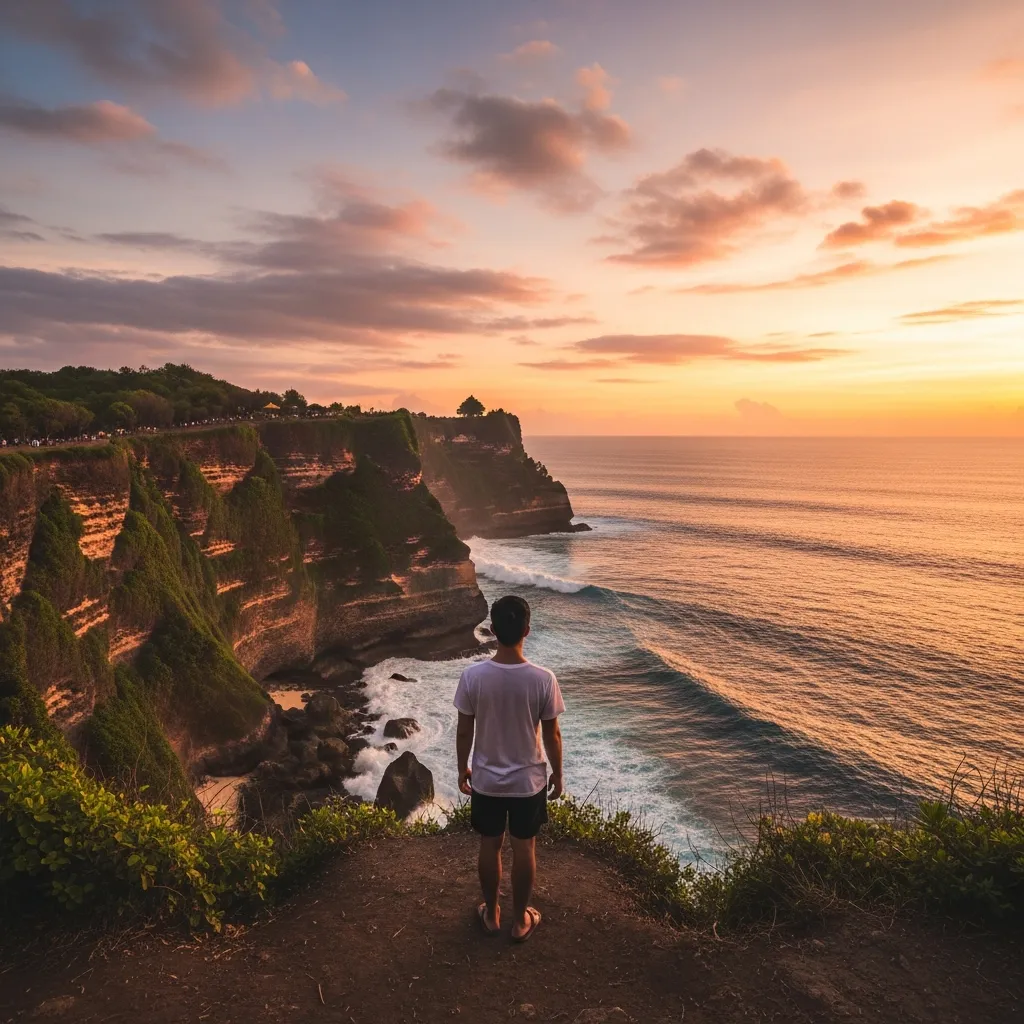
Uluwatu’s cliff viewpoints are “stop everything” moments. In fact, even a short golden hour detour can become the highlight of your day.
Karang Boma Cliff viewpoint: how to go safely
First, Karang Boma Cliff delivers jaw-dropping views with a sheer drop. Moreover, sunset can be spectacular because the light hits the cliff face and the ocean turns metallic.
However, safety matters more than the shot. Therefore, stay well back from edges, especially if it’s windy or the ground looks uneven. Additionally, avoid lingering after dark unless you’re confident with your route back.
Balangan viewpoints: photo timing and conditions
Next, the Balangan viewpoints offer long sightlines over surf lines rolling in. Furthermore, these are great for photography because you can capture cliff curves and tiny surfers in the same frame.
Nevertheless, access and conditions change. Because of this, follow established paths and skip any track that looks unstable.
6) Go Surfing (or Watch World-Class Waves)
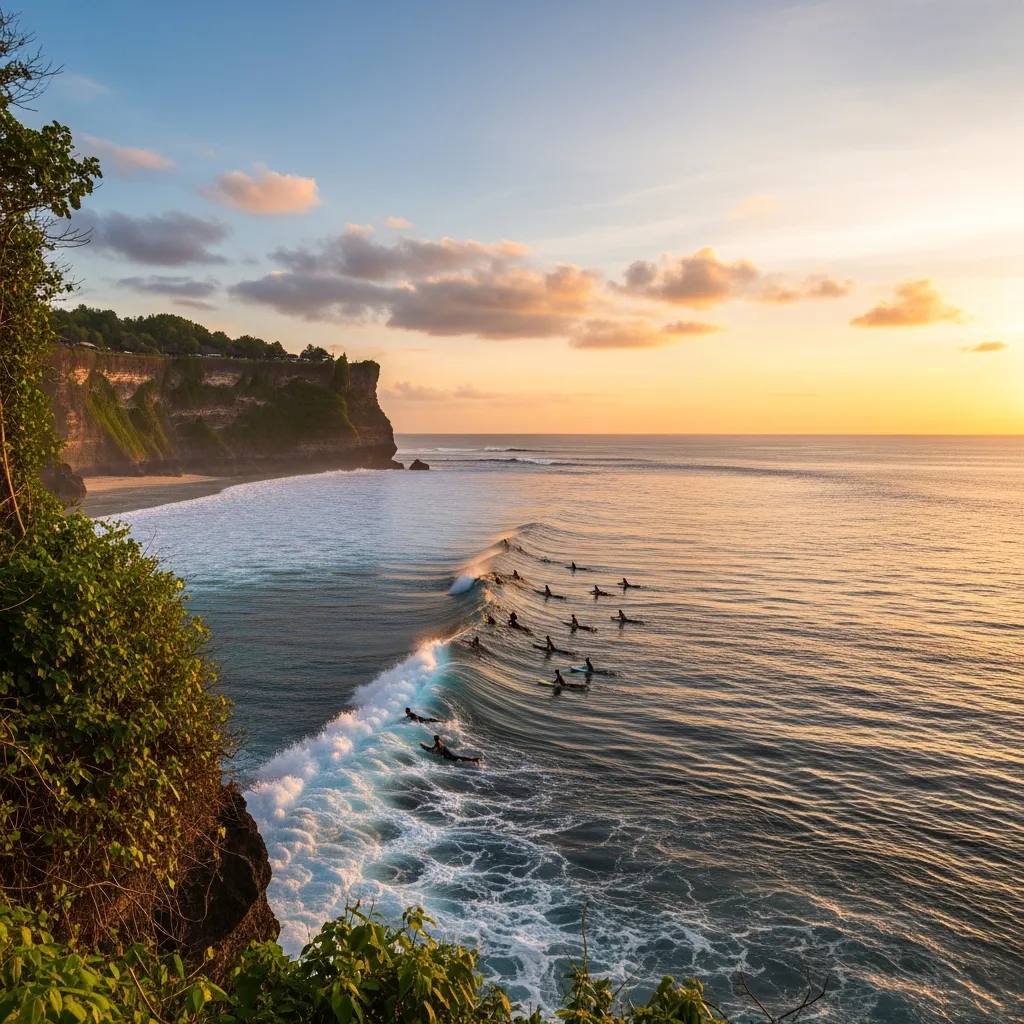
Even if you’ve never touched a surfboard, Uluwatu’s surf culture is part of the atmosphere. Notably, watching sets march in from a cliff lookout can feel hypnotic.
Reef breaks: what makes Uluwatu different
First, understand that many waves here break over reef, not sand. Consequently, conditions can be more intense and less forgiving than beginner beach breaks.
Moreover, tide timing matters. Because of this, shallow reef becomes a hazard when the water drops, and entry/exit points can change quickly.
Beginner options and lesson tips
However, beginners can still surf if you do it smartly. Therefore, book a lesson and let an instructor choose a suitable spot for the day’s swell and wind.
Additionally, be honest about your level. In particular, ask how to fall safely, how to protect your head, and where the channel is for paddling out.
Board rental basics + tide timing
Next, if you rent a board, check fin stability and any sharp dings. Furthermore, ask locals about the best time window for your chosen beach that day.
Most importantly, respect the lineup. As a result, you’ll avoid collisions and earn friendly vibes rather than frustrated looks.
7) Plan a Sunset Bar / Cliff Lounge Night
Uluwatu evenings can feel cinematic. Moreover, after a day of salt and sun, dressing up a bit and heading to a cliffside venue can be the perfect reset.
First, plan to arrive early for sunset seating. Consequently, you’ll avoid the scramble and actually enjoy the shift from daylight to golden hour.
However, some venues have dress codes or reservation systems. Therefore, check official pages in advance, especially in peak season.
Additionally, think about your ride home before the second cocktail. In particular, if ride-hailing is spotty, pre-arrange a driver or confirm pickup options. Because of this, you’ll end the night relaxed—not stranded.
8) Add a Cultural Day Trip: GWK Cultural Park
If midday sun feels too intense for beach stairs, GWK Cultural Park (Garuda Wisnu Kencana) is a fun change of pace. Moreover, it’s one of the easiest cultural “big sights” to fit into an Uluwatu stay.
First, expect large-scale art, open plazas, and plenty of photo moments. Additionally, it’s ideal if you want something beyond sand and surf without committing to a long day trip elsewhere.
However, the heat can still be real. Because of this, bring water and sun protection, and give yourself a few hours instead of rushing.
Traveler Essentials: Entry, Levy, and Useful Apps
Before you lock in your Uluwatu plans, a few Bali-wide logistics will make arrival smoother. Moreover, handling these early means you can focus on sunsets instead of forms.
Visa on Arrival (VoA): cost, validity, extension
First, many travelers use Indonesia’s Visa on Arrival (VoA). Notably, official guidance states: “Visa on Arrival (VoA) costs IDR 500,000 for 30 days and is extendable once for 30 more days for an additional IDR 500,000.” (Indonesian Immigration)
Additionally, standard expectations include a passport with 6+ months validity, plus an onward/return ticket and proof of accommodation if requested. Therefore, keep confirmations accessible.
Electronic Customs Declaration (e-CD): link and timing
Next, Indonesia requires an Electronic Customs Declaration (e-CD). In fact, the official portal notes: “Electronic Customs Declaration (e-CD) is required and can be completed online.” (Directorate General of Customs and Excise (Bea Cukai))
Moreover, many travelers complete it within about two days before arrival and save a screenshot of the QR code. Consequently, you’ll move through that step faster.
Bali Tourist Levy: amount and how to pay (Love Bali)
Also, Bali has an island-wide tourist levy. Specifically: “Bali Tourist Levy is IDR 150,000 per person and can be paid via the Love Bali platform.” (Bali Provincial Government (Love Bali))
Additionally, you can pay via the Love Bali app/portal, airport kiosks, or authorized banks. Therefore, pay early and keep proof handy during busy arrivals.
Safety Tips for Uluwatu (Read Before You Swim or Ride)
Uluwatu is stunning, and it’s also a place where a few smart decisions make a huge difference. Most importantly, take ocean and road safety seriously.
Ocean safety: reefs, rip currents, shorebreak
First, many beaches here have reef and strong currents. Consequently, the ocean can look calm from above and feel intense once you’re in it.
Quick ocean safety reminders:
- First, ask locals or staff if swimming is safe that day.
- Next, watch for rip currents and sudden drop-offs.
- Additionally, consider reef shoes for sharp coral.
- Moreover, avoid pushing your limits when swell is up.
Monkey safety: prevention first
Next, be extra careful at Uluwatu Temple. In particular, keep items zipped away and skip dangling jewelry.
Because of this, you’ll avoid the classic “monkey stole my glasses” moment that derails sunset.
Scooter safety: helmets, night riding, experience level
However, one of the biggest risks many visitors face is scooters. Therefore, wear a helmet, avoid night riding on unfamiliar roads, and don’t ride if you’re inexperienced.
Additionally, keep speeds conservative. As a result, you’ll have more time to react to potholes, gravel, or sudden turns.
Emergency numbers (112 / 118)
Finally, save these basics:
- General emergency: 112 (where available)
- Ambulance: 118
Moreover, your accommodation can often coordinate help quickly, so keep their WhatsApp handy.
Sample Itineraries (Choose Your Pace)
If you’re trying to fit in the best Uluwatu attractions without burning out on stairs and traffic, a clustered plan helps. Consequently, you’ll spend more time watching sunsets and less time backtracking.
2-day Uluwatu itinerary (temple + beaches + cliffs)
Day 1: Iconic coves + surf energy First, start with Padang Padang for photos and a quick dip if conditions allow. Next, head to Bingin for lunch and wave-watching. Then, finish at Suluban/Blue Point to explore the cave-like access and catch late light.
Day 2: Temple + cliff viewpoint day First, choose Dreamland for a spacious beach session or Thomas Beach for a quieter vibe. Next, reset at your accommodation, then head to Uluwatu Temple in the late afternoon. Finally, pair it with the Kecak Fire Dance and dinner afterward.
3-day Uluwatu itinerary (add surf + GWK + hidden beach)
Day 1: Do the “Iconic coves” loop: Padang Padang → Bingin → Suluban. Additionally, add a sunset drink somewhere convenient to your route.
Day 2: Plan a surf lesson (or dedicated wave-watching session) in the morning. Then, slow down with a massage or café time. Consequently, you’ll have energy for sunset viewpoints later.
Day 3: Start with GWK Cultural Park as a midday-friendly activity. Next, commit to Nyang Nyang Beach if you want something more secluded—bring water and snacks since it’s more of an expedition. Finally, end with Karang Boma Cliff at golden hour, staying well back from the edge.
Where to Stay in Uluwatu (Logistics-First Advice)
Because Uluwatu is spread out, choosing a comfortable base makes everything easier. If you’re considering resorts and boutique stays, ONAYA Bali Resort is a great option to anchor your trip, especially if you plan your days in clusters (temple + Karang Boma one day, coves another day).
Additionally, decide early if you’ll use a private driver for key sunset outings or rely on a scooter for flexibility. Consequently, your schedule will feel smooth instead of stressful.
FAQ: Things to Do in Uluwatu
Is Uluwatu worth visiting if you don’t surf?
Yes. In fact, the cliff views, temple sunset, beach coves, and lounge nights easily fill a trip. However, watching surfers from above is fun even if you never paddle out.
How many days do you need in Uluwatu?
Ideally, plan 2–3 days. Consequently, you can do the temple + Kecak, a proper beach-hop day, and one bonus day for GWK or Nyang Nyang.
Which Uluwatu beaches are best for swimming?
It depends on conditions, tide, and swell. However, Thomas Beach can feel calmer on the right day, while Padang Padang may offer quick dip windows. Therefore, always ask locally before entering.
How do I visit Uluwatu Temple for sunset without feeling rushed?
First, arrive earlier than you think you need. Next, do the cliff walk before the crowd peaks. Then, settle in for the Kecak show if you’re attending. Finally, plan dinner afterward so you’re not racing the dark.
Do I need cash in Uluwatu?
Yes. While many venues take cards, beach access fees, parking, and small warungs often prefer cash. Additionally, it’s useful for tips and snacks between viewpoints.
Conclusion
Overall, Uluwatu delivers the kind of Bali memories that stay sharp: temple silhouettes at sunset, salt air on cliff paths, and coves that feel like you earned them. However, once you plan around tides, transport, and safety, the area becomes easy to enjoy.
Now, pick your top three priorities—temple sunset, beach-hopping, or cliff viewpoints—and build your days around them. Then, when you’re ready, book your base (and if you’re looking at hotels, remember to check ONAYA Bali Resort) and start counting down to those golden-hour cliffs.